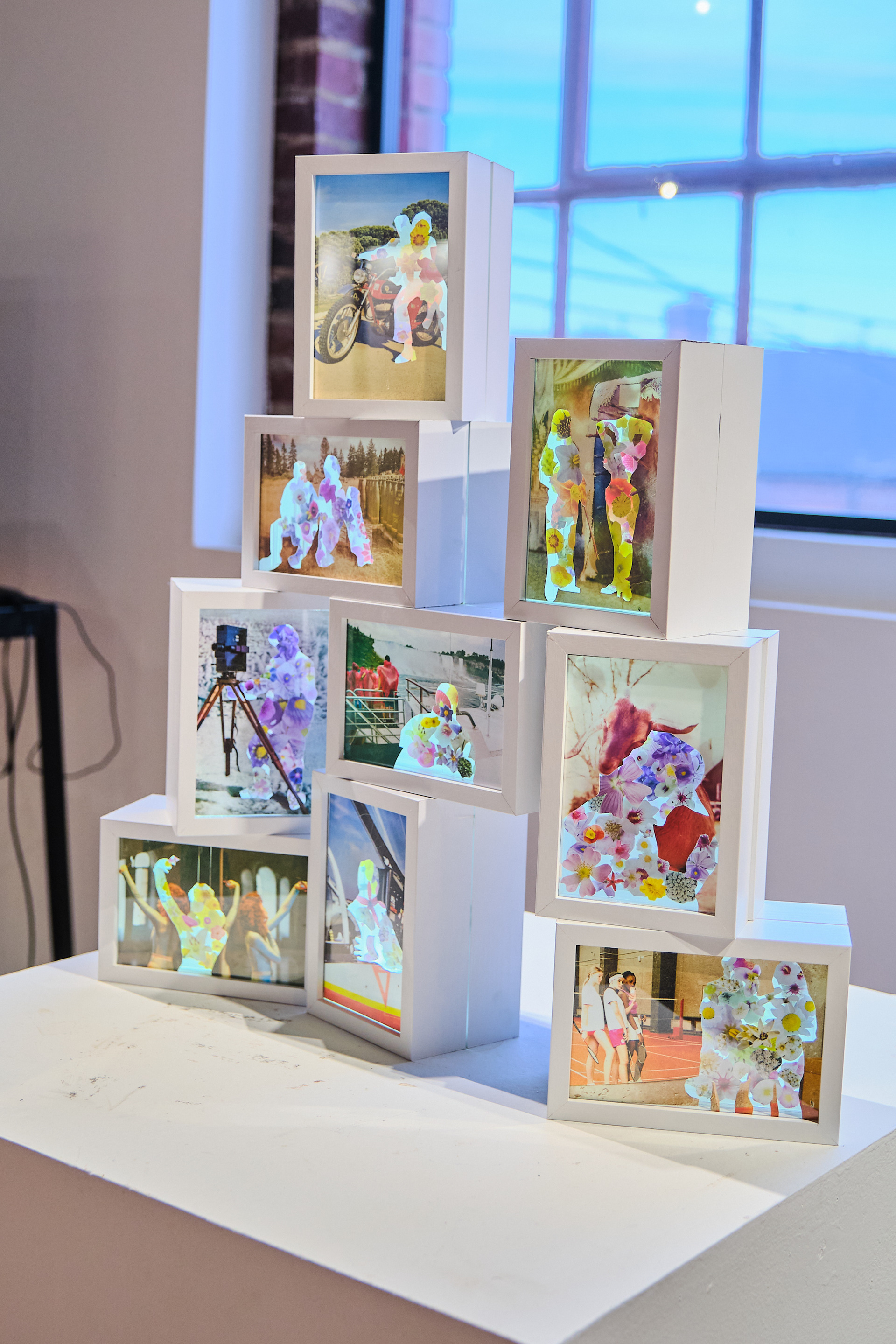
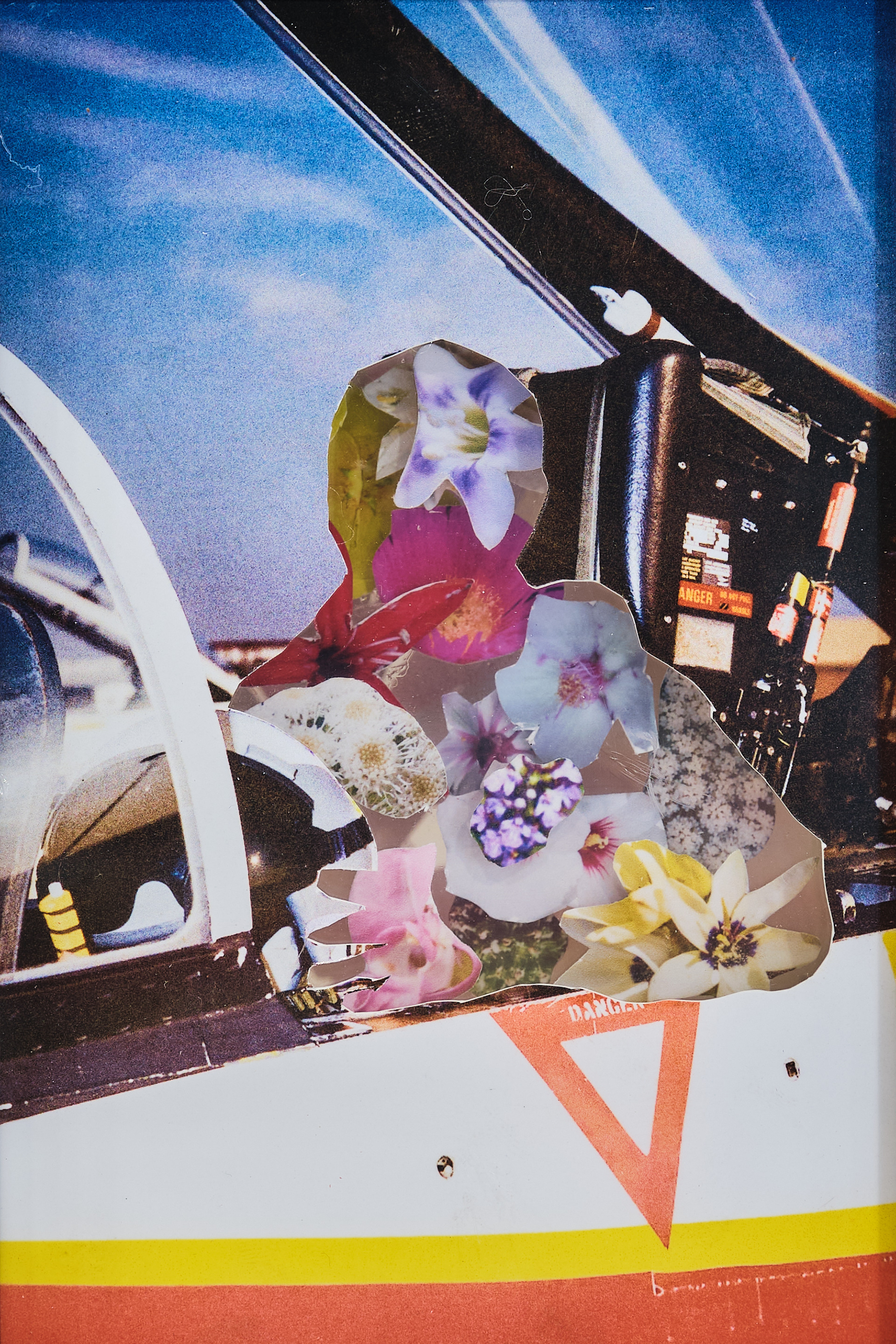
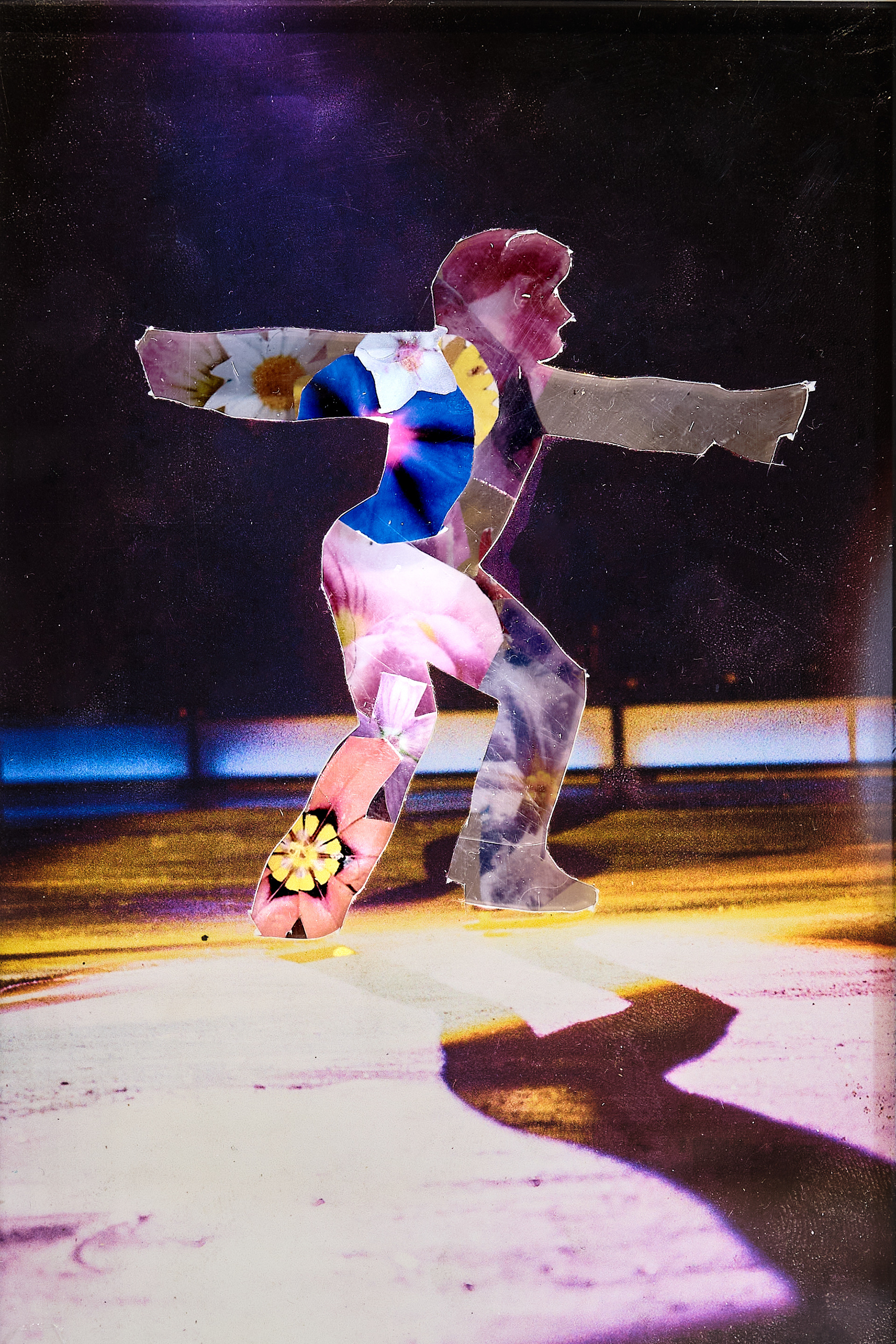
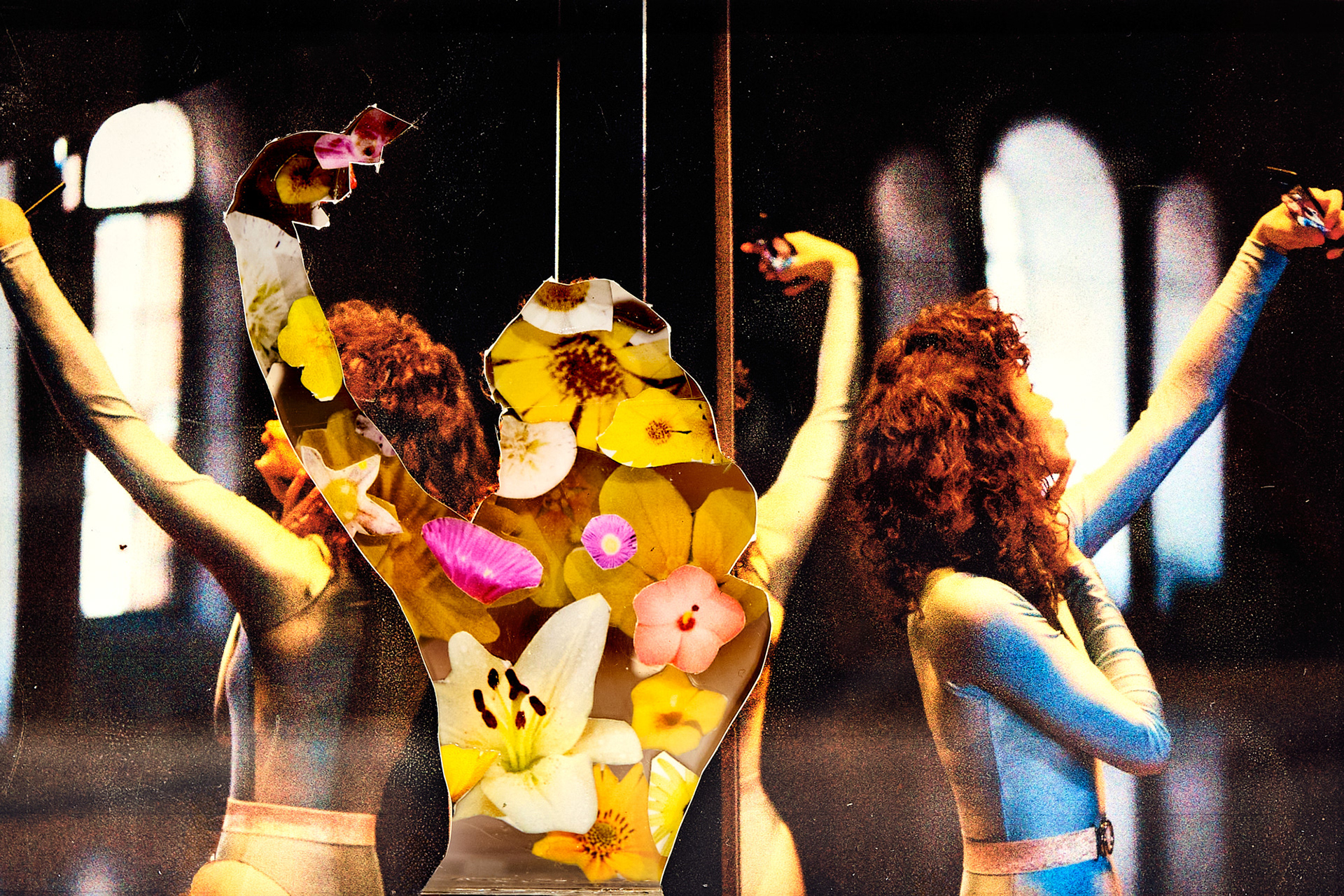
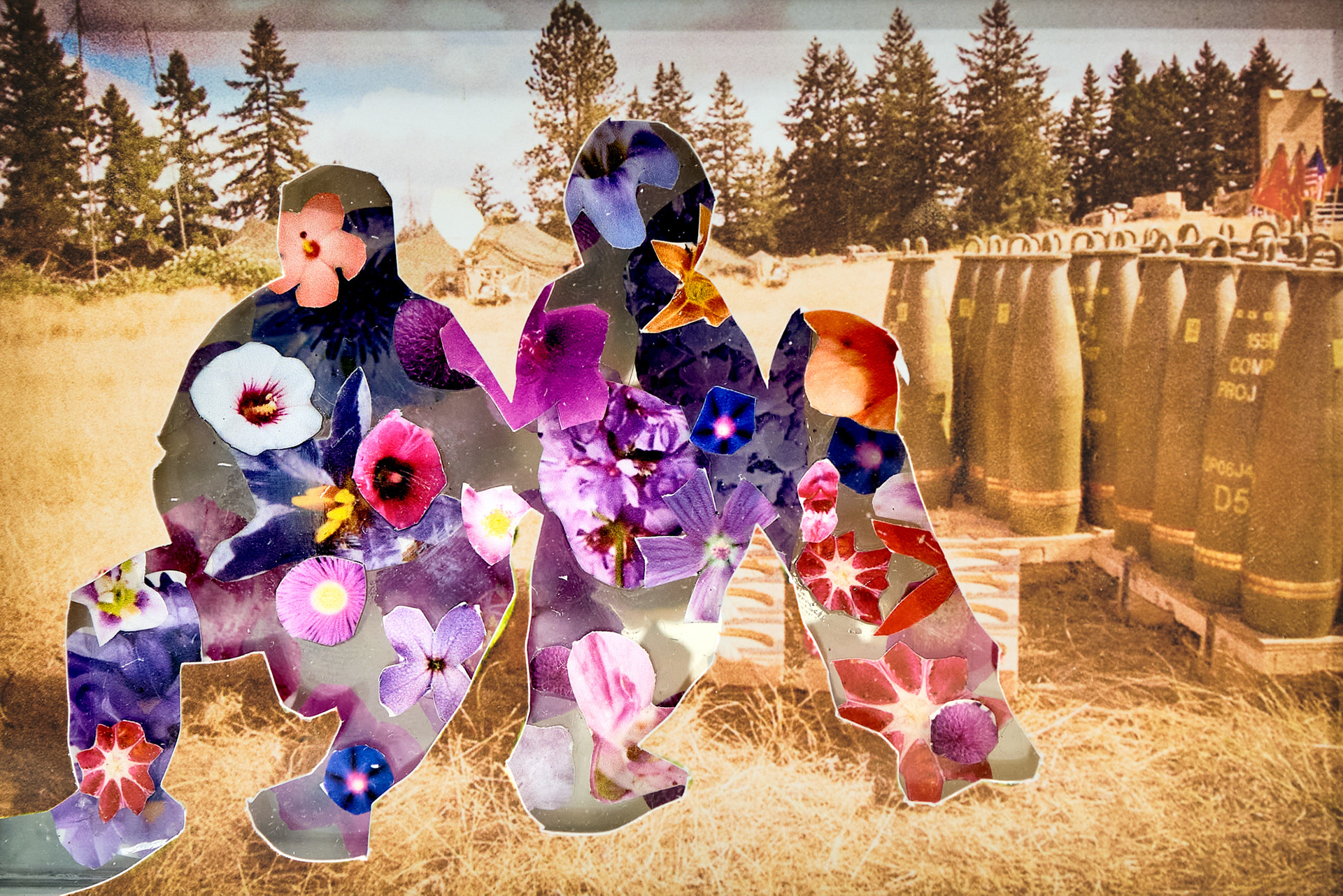
I"Invasive Species" began as a performance, then a public art engagement project, then a photo sculpture. At its core it is a surgical intervention on our cultural memory. The project is an exploration of the void—the literal and metaphorical space created when we try to disentangle the human experience from the non-human world.
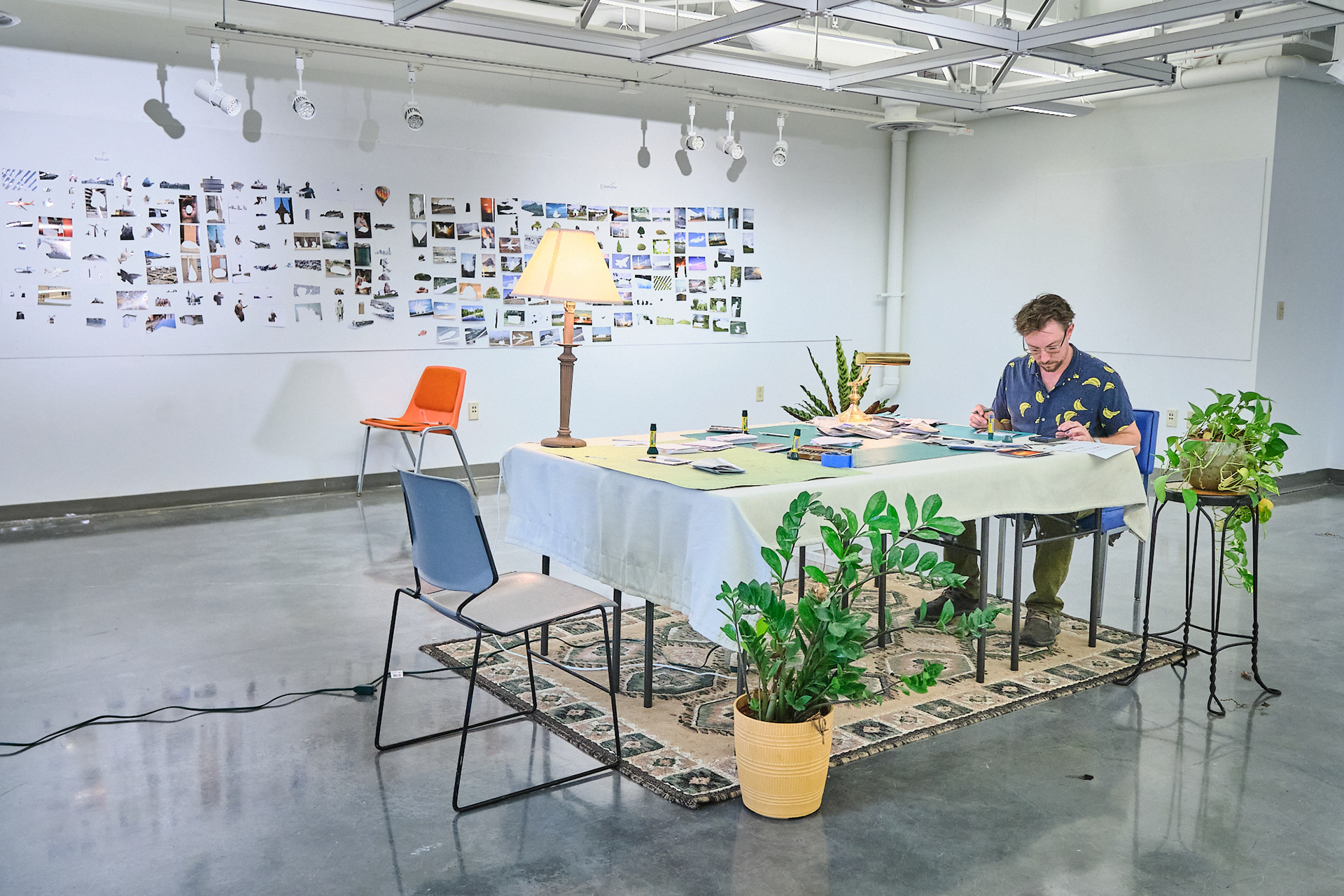
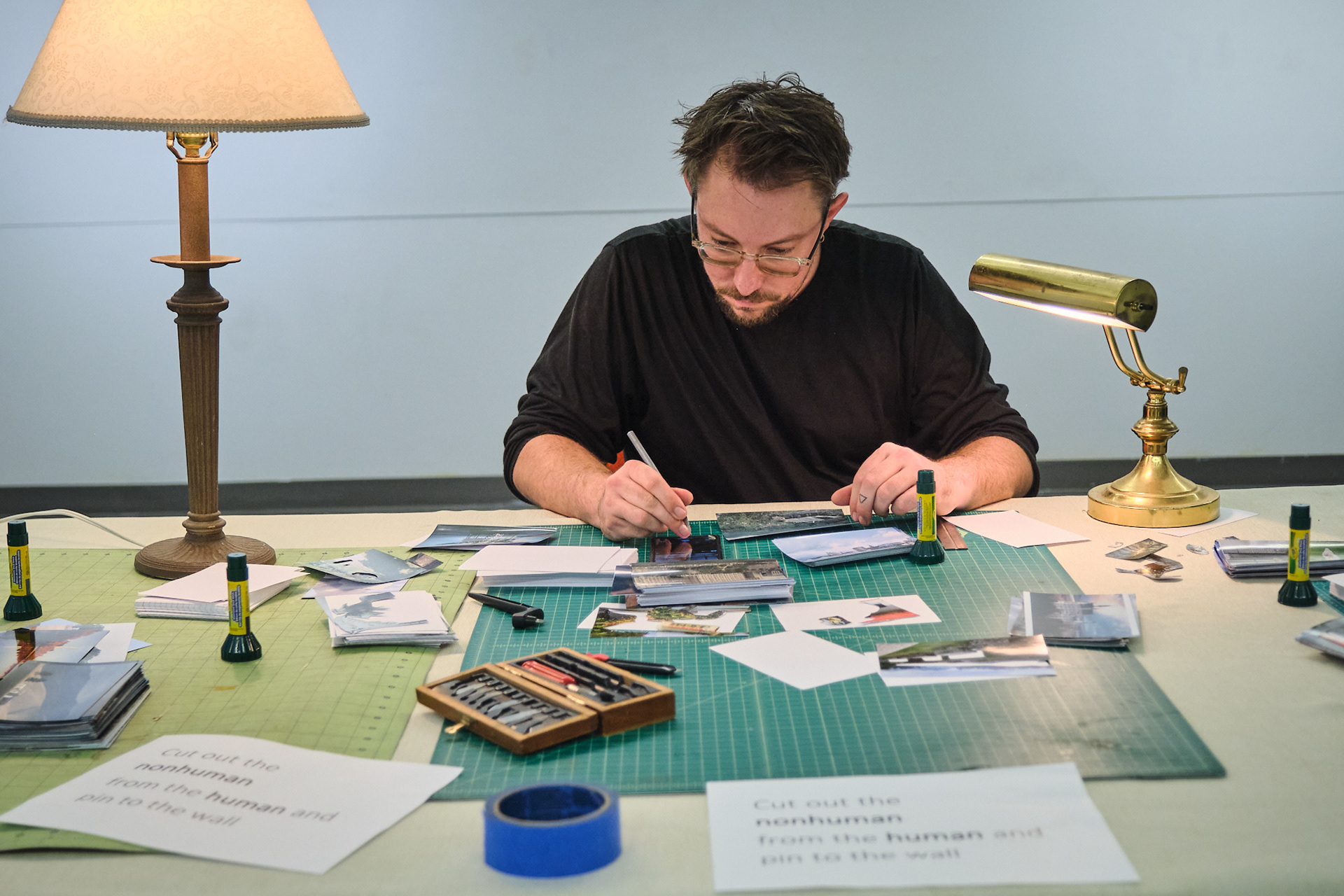
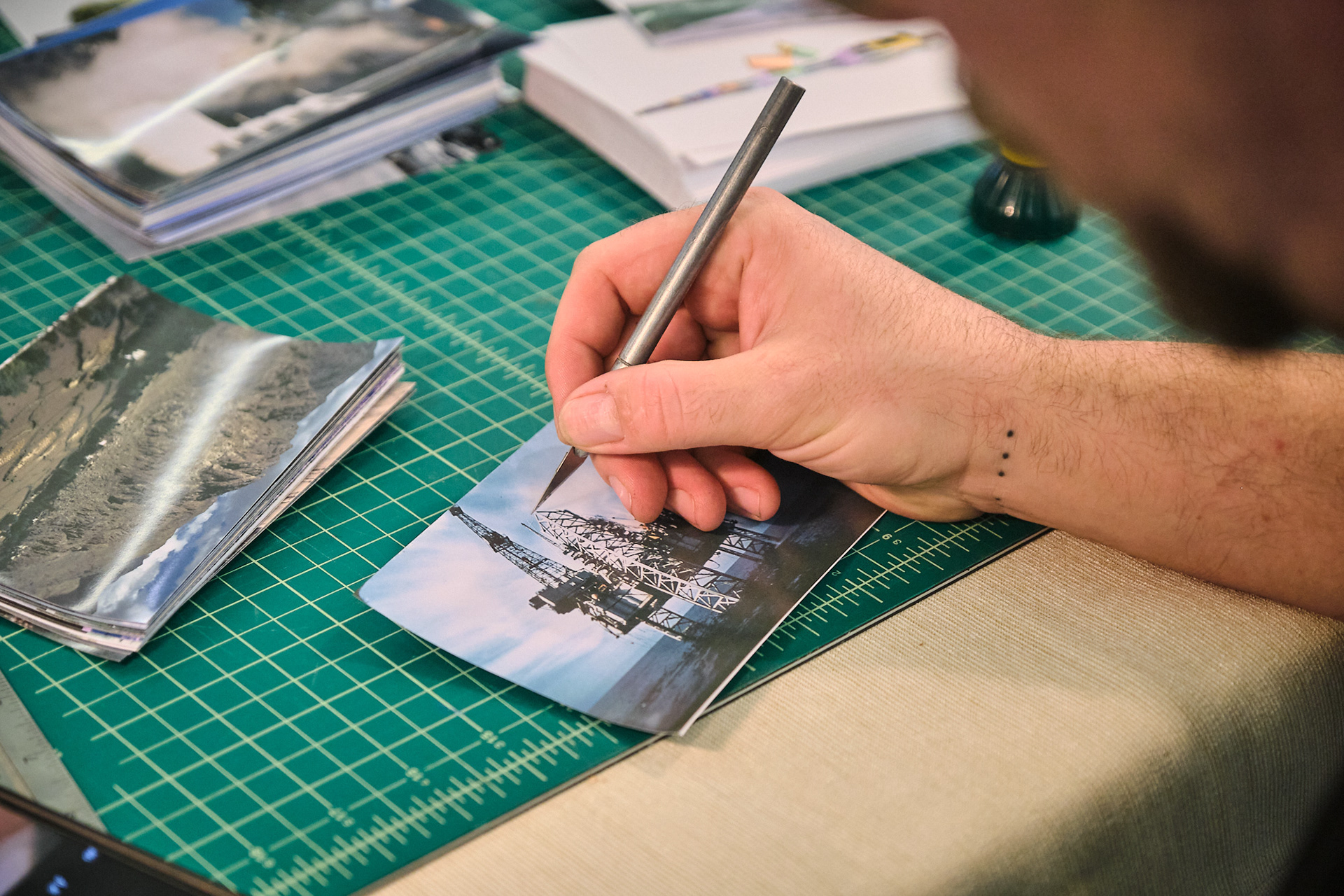
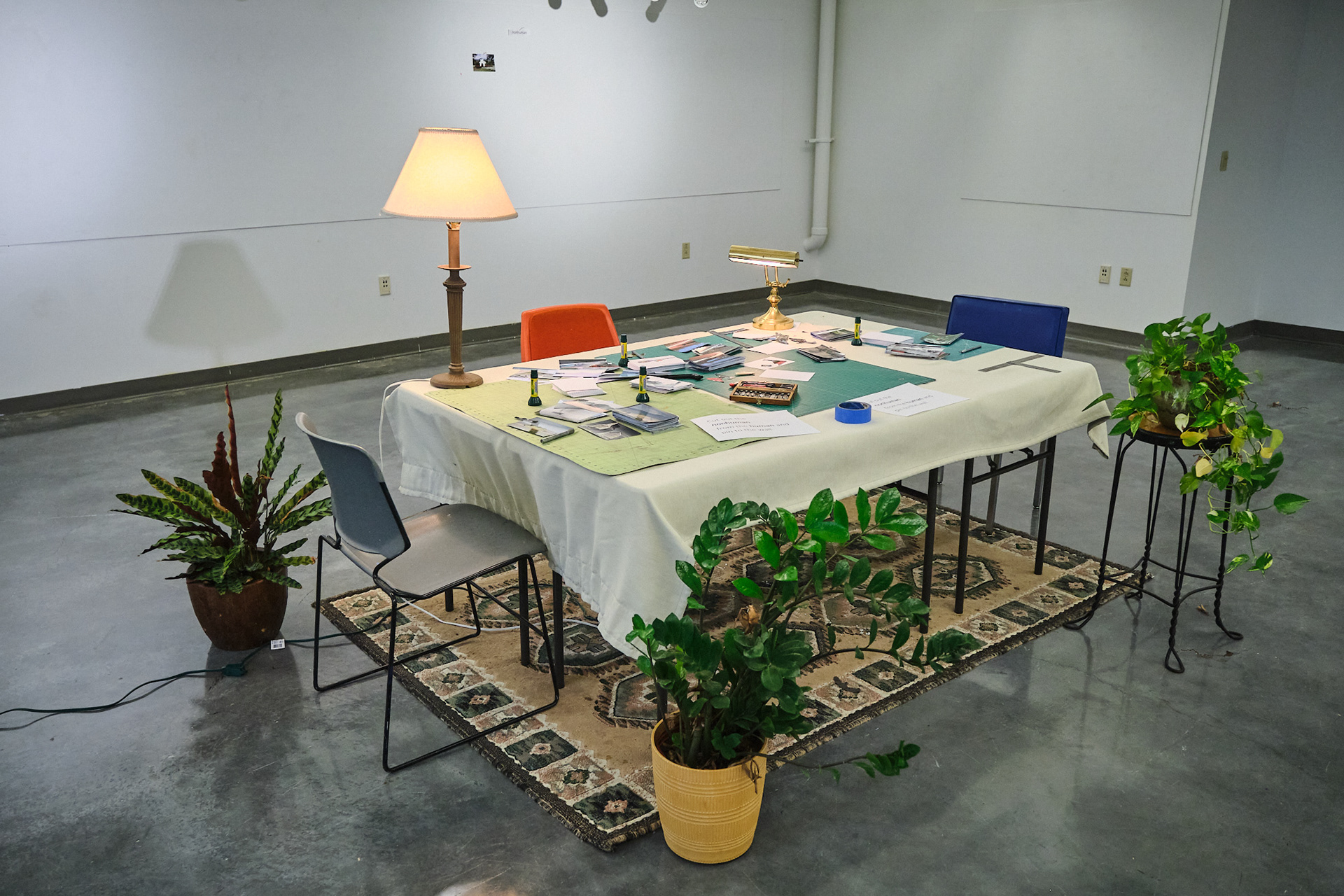
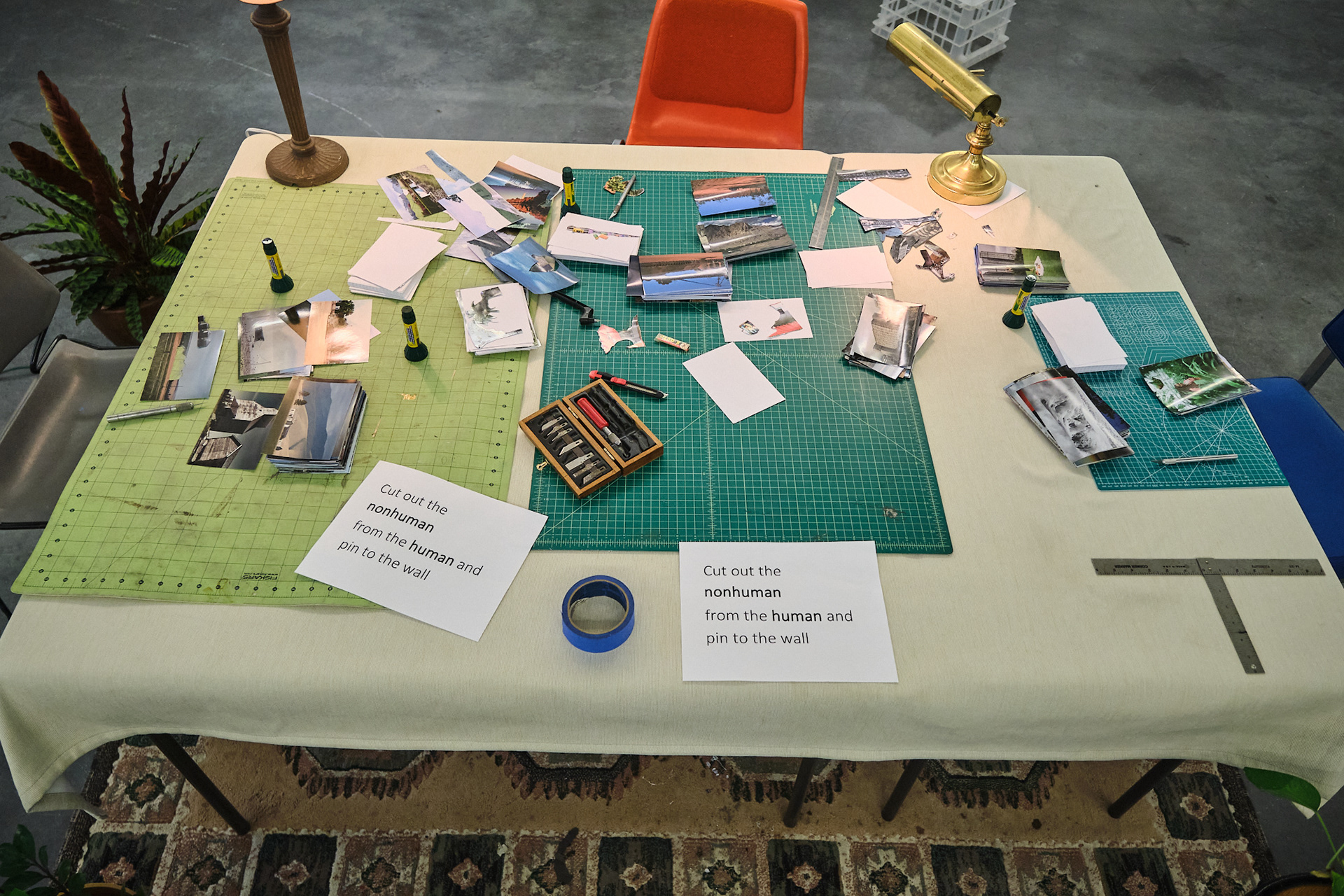
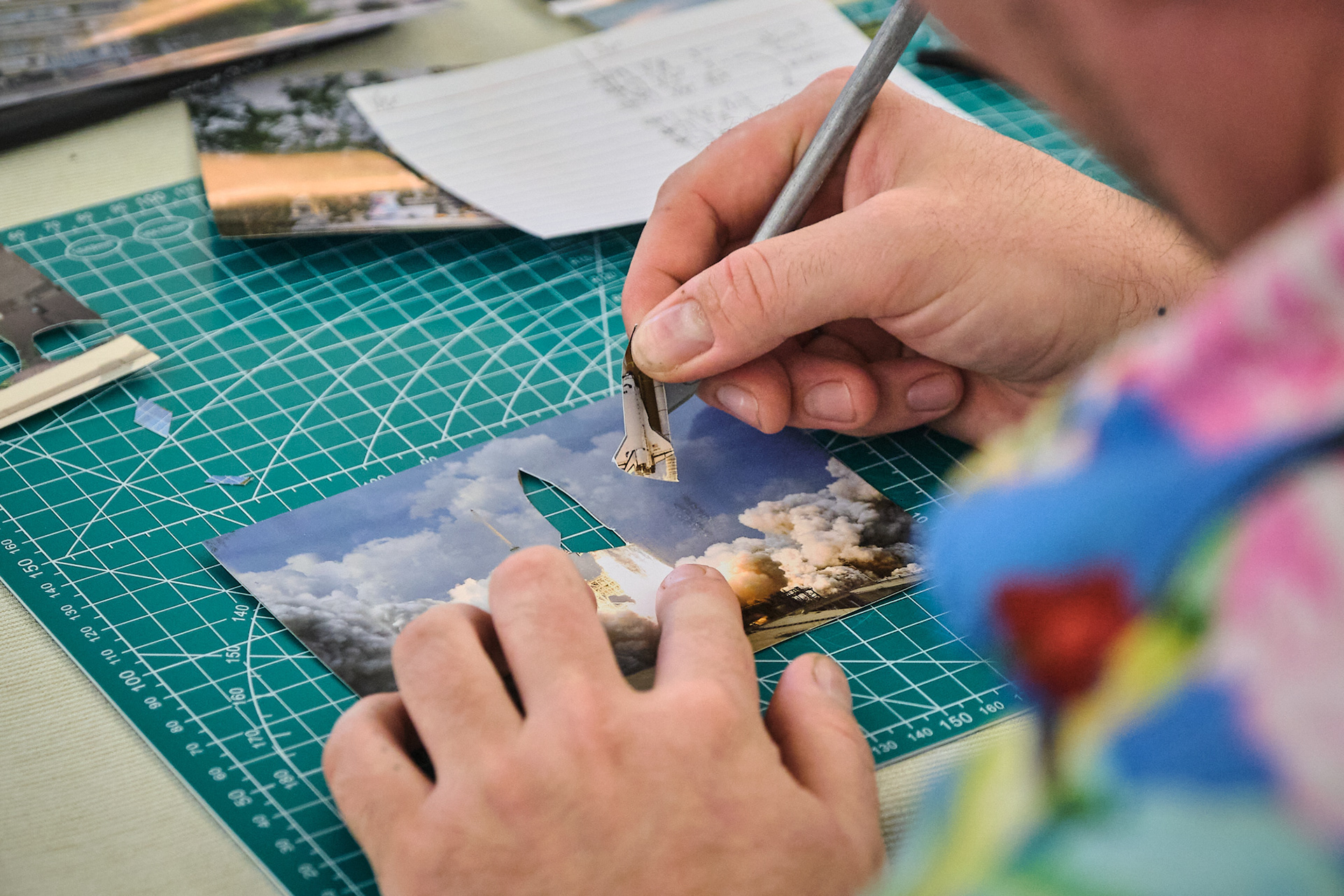
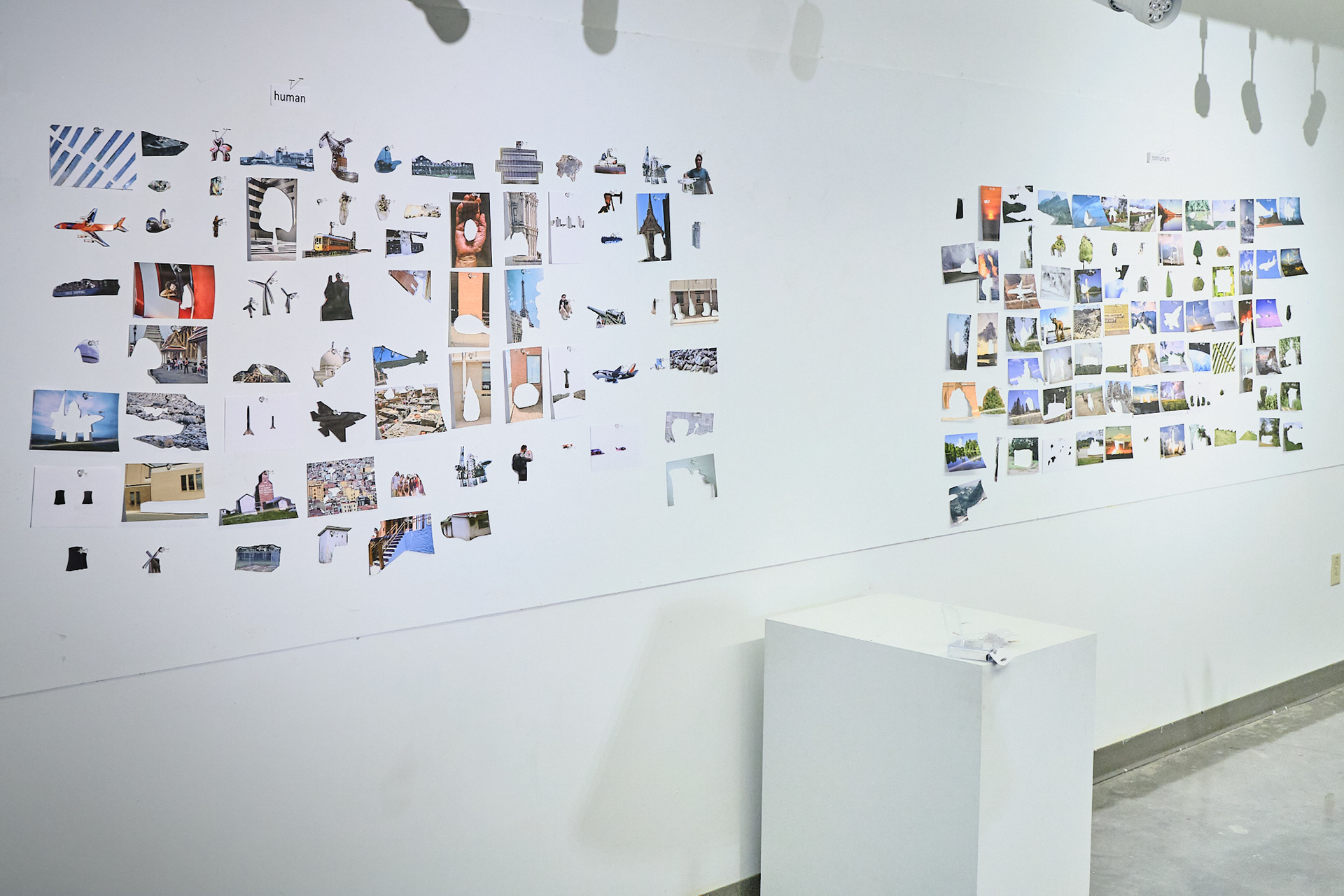
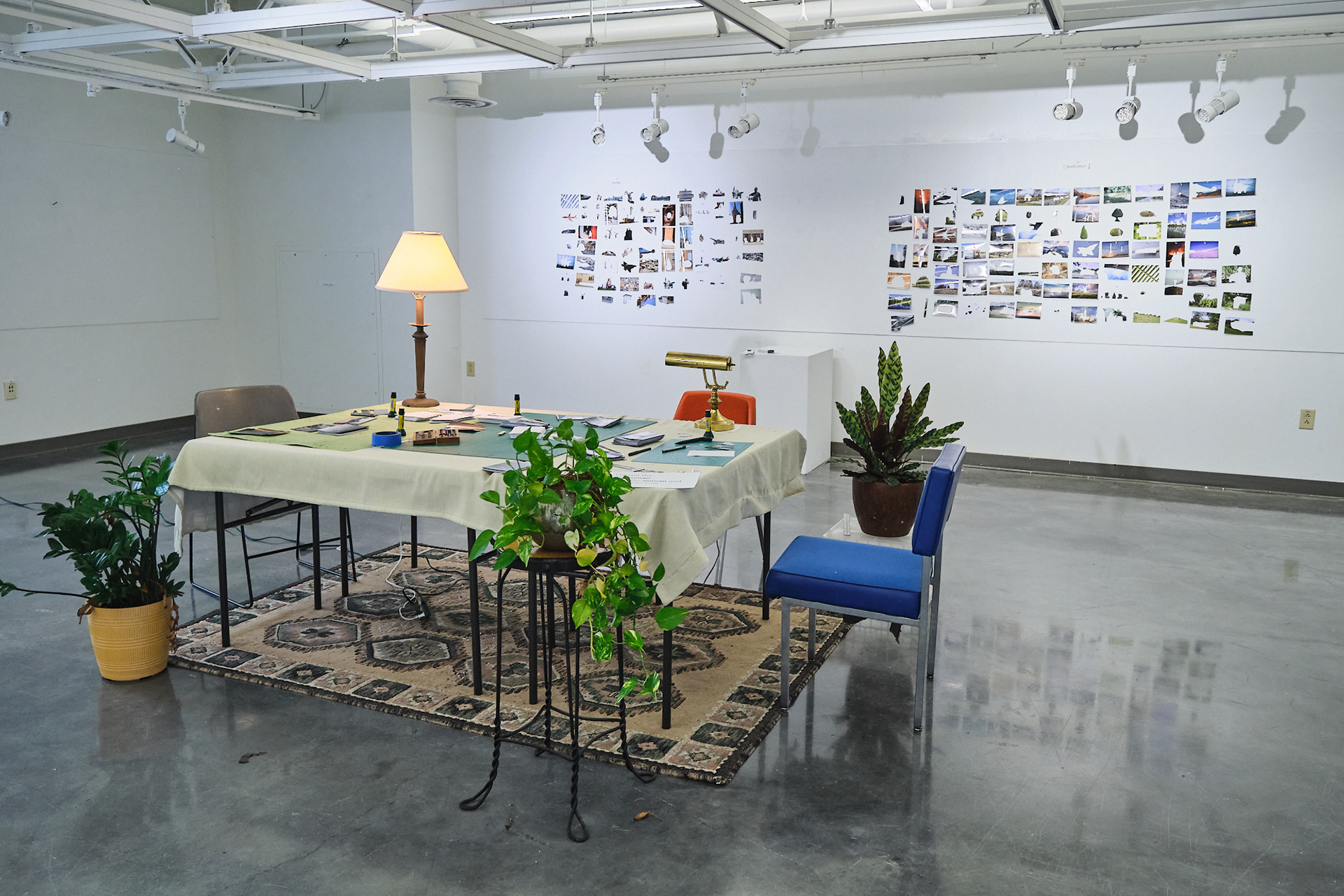
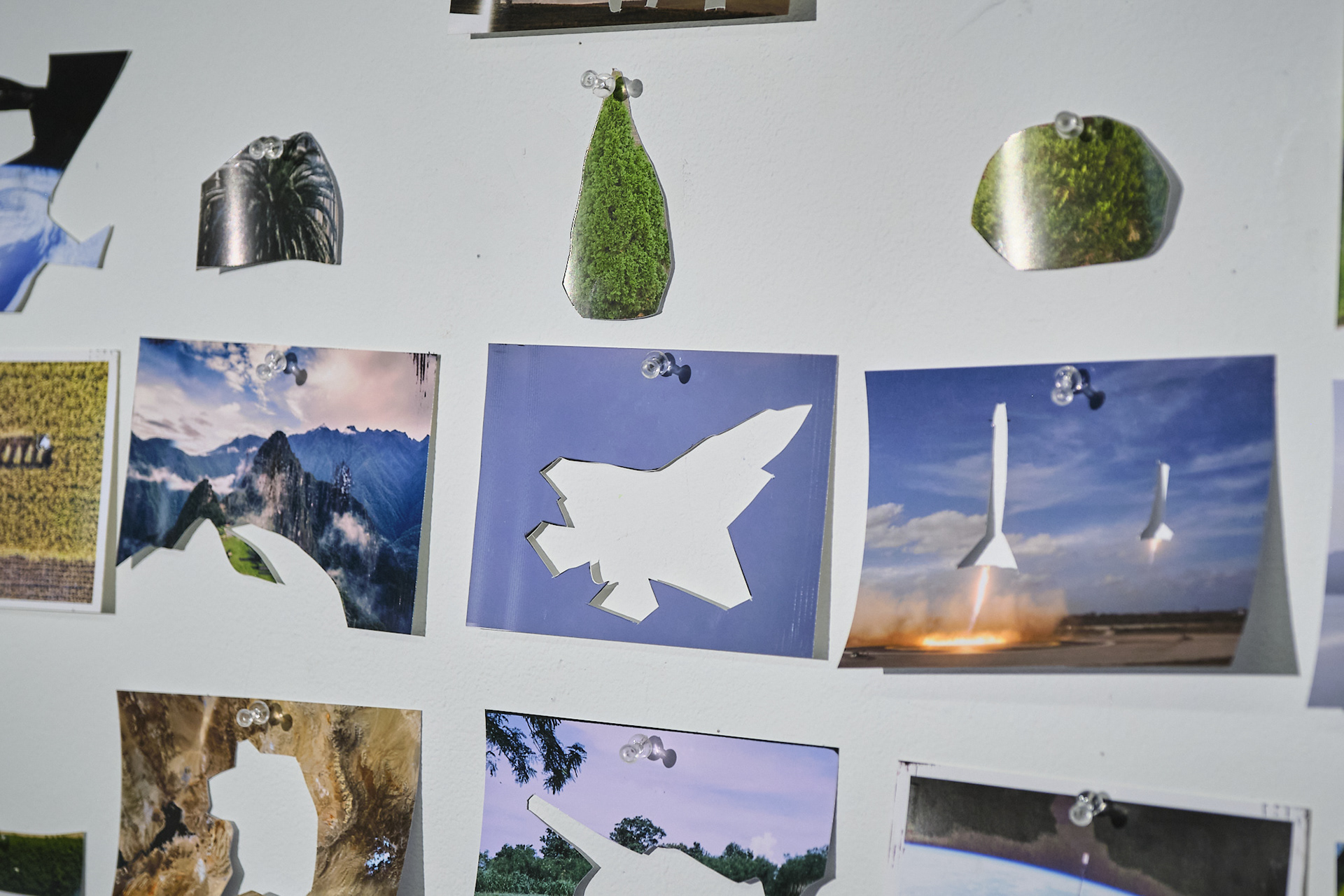
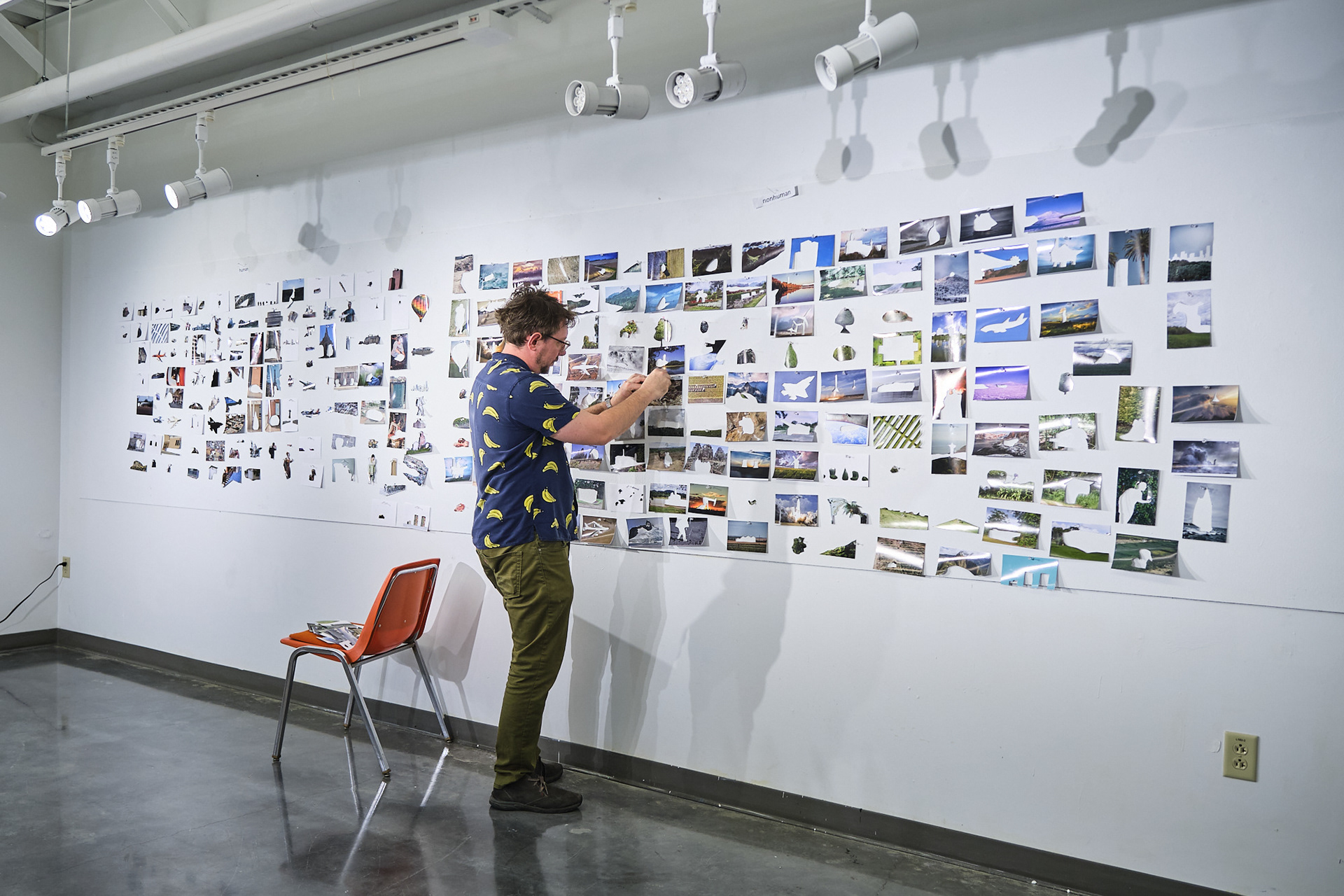
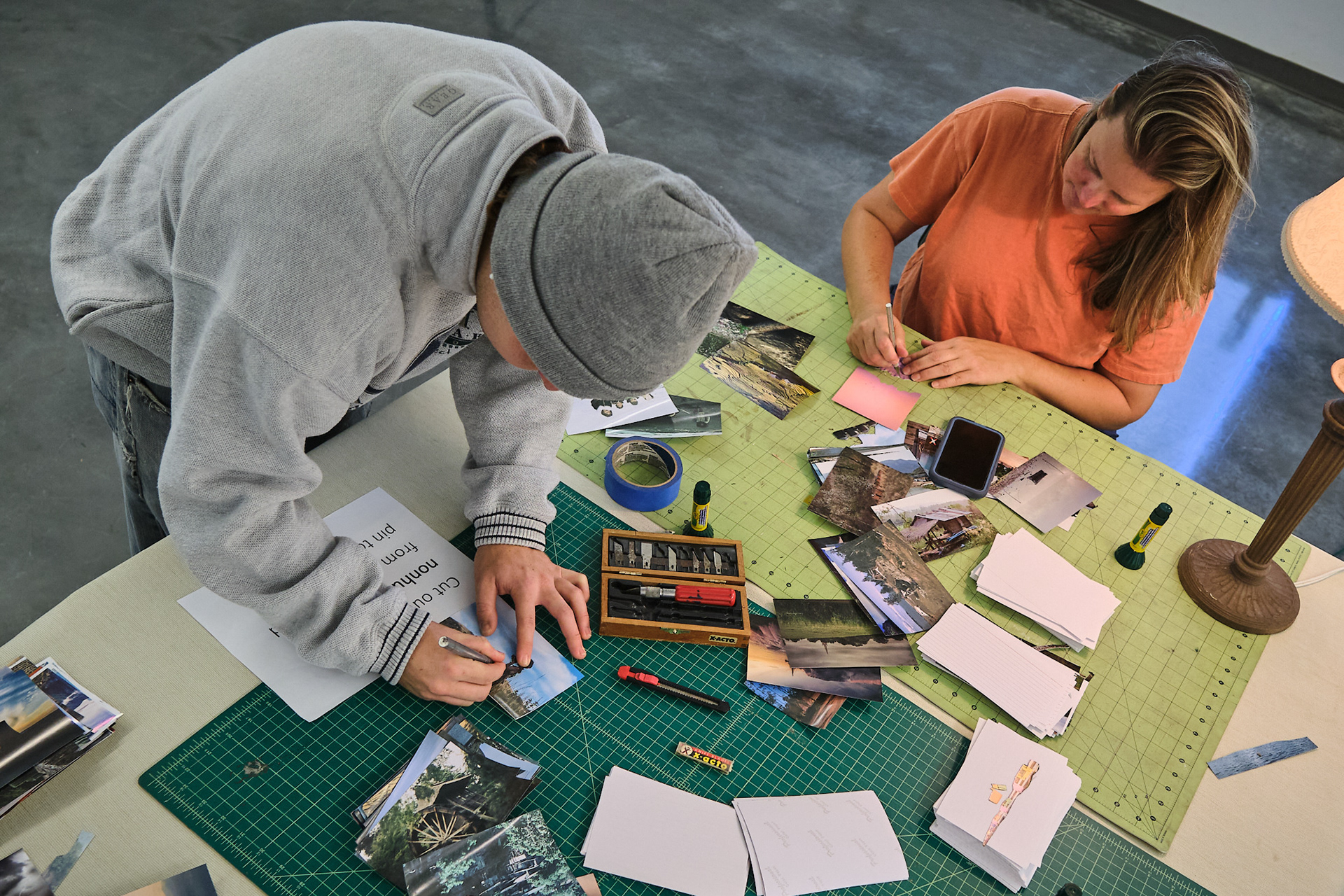
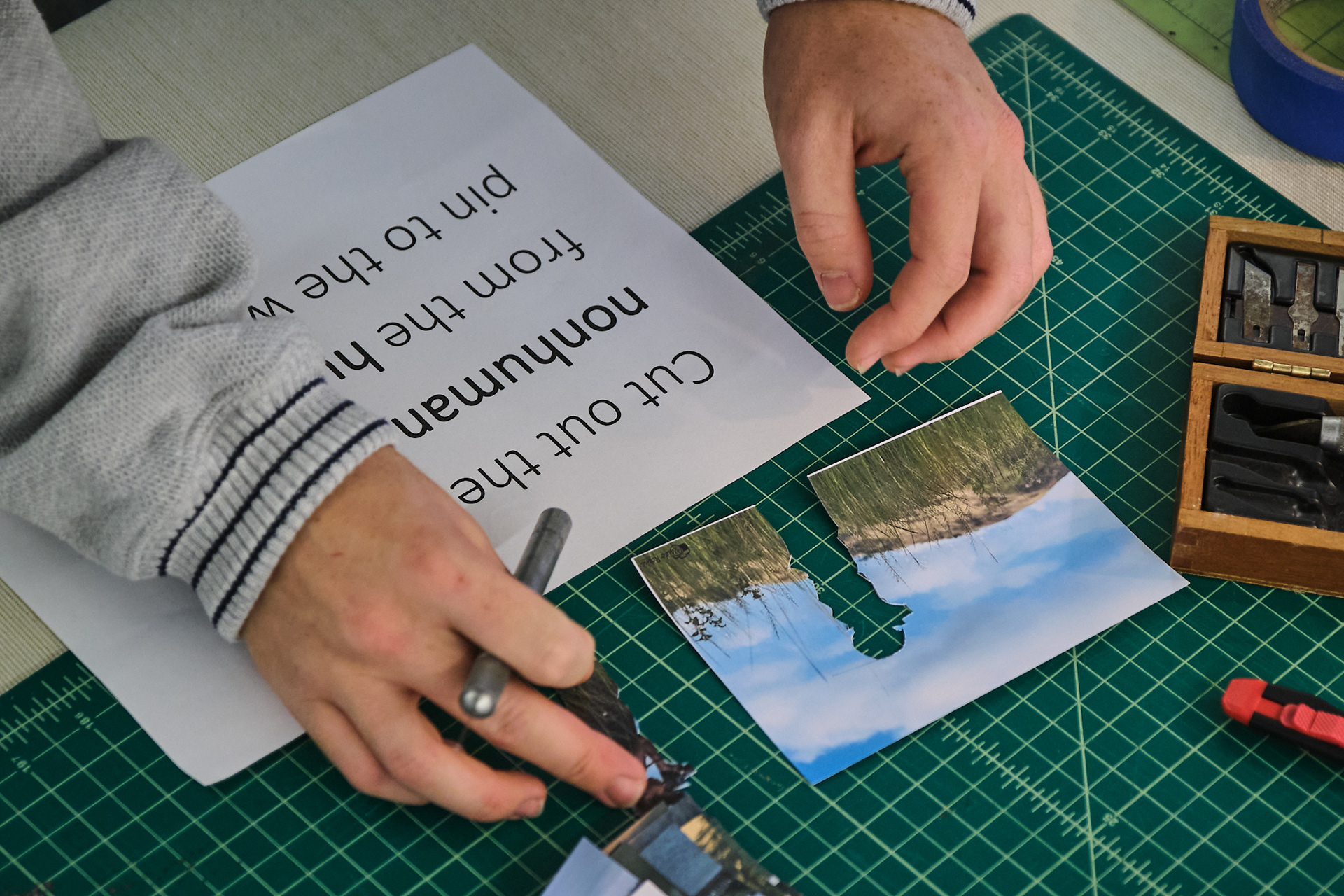
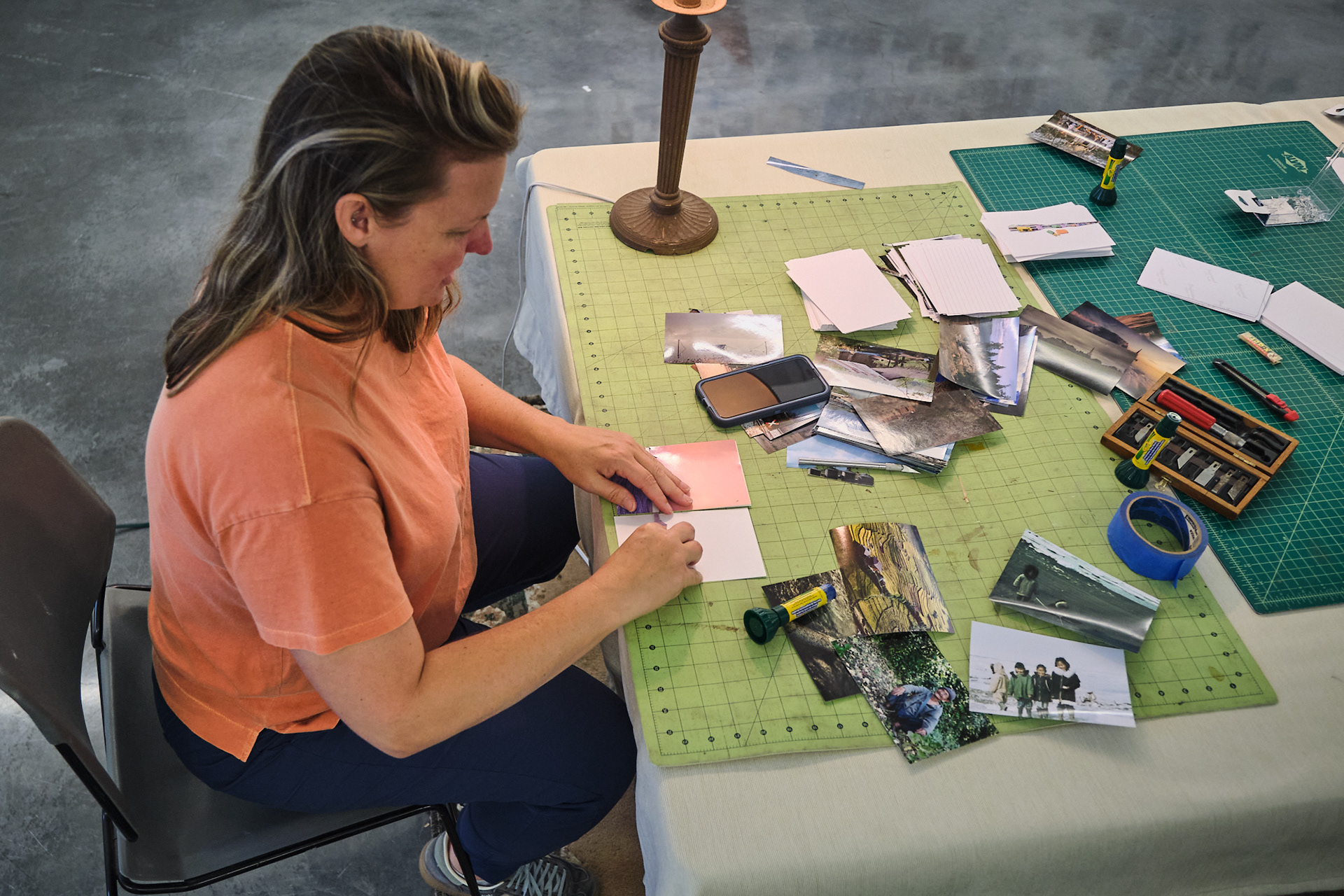
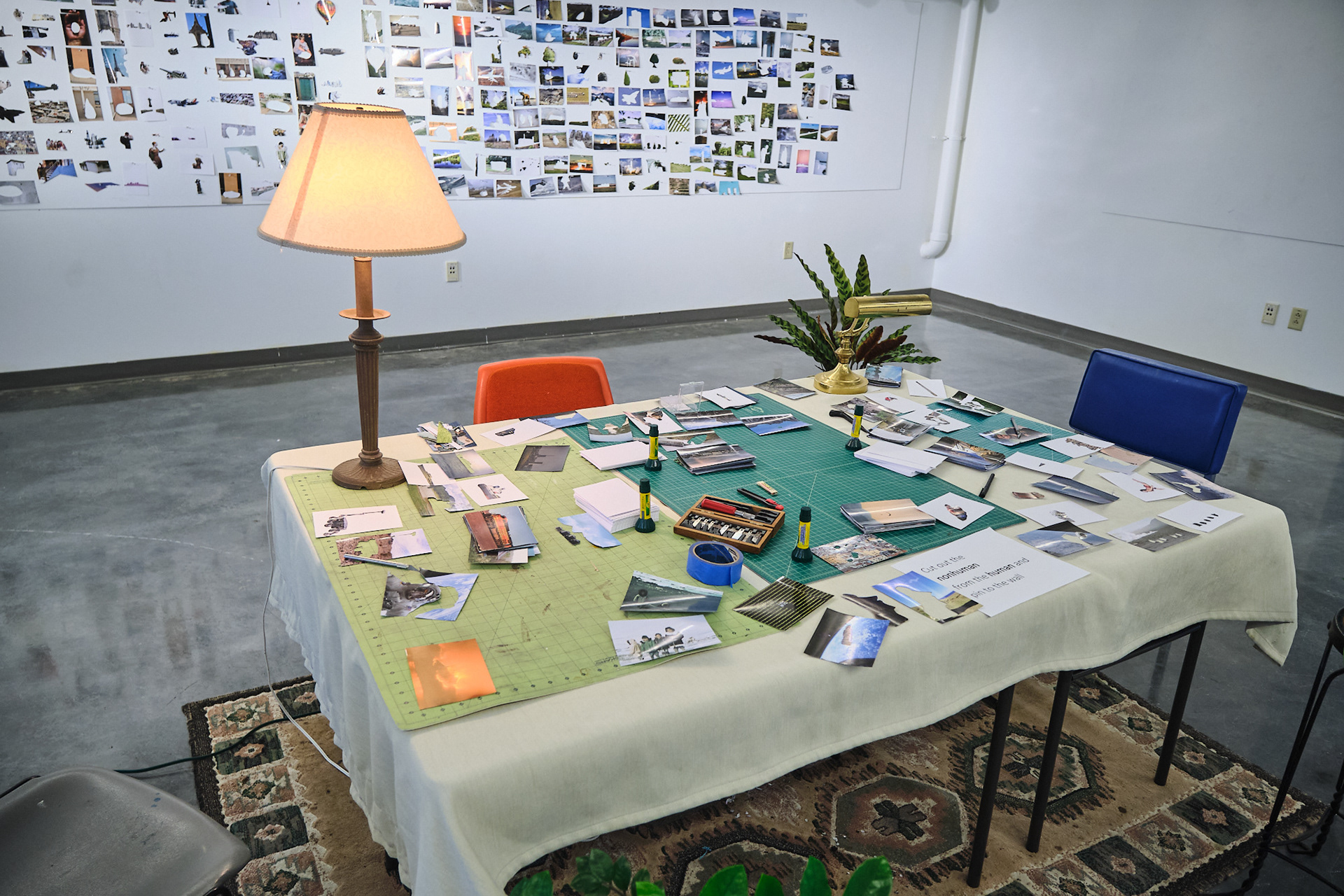
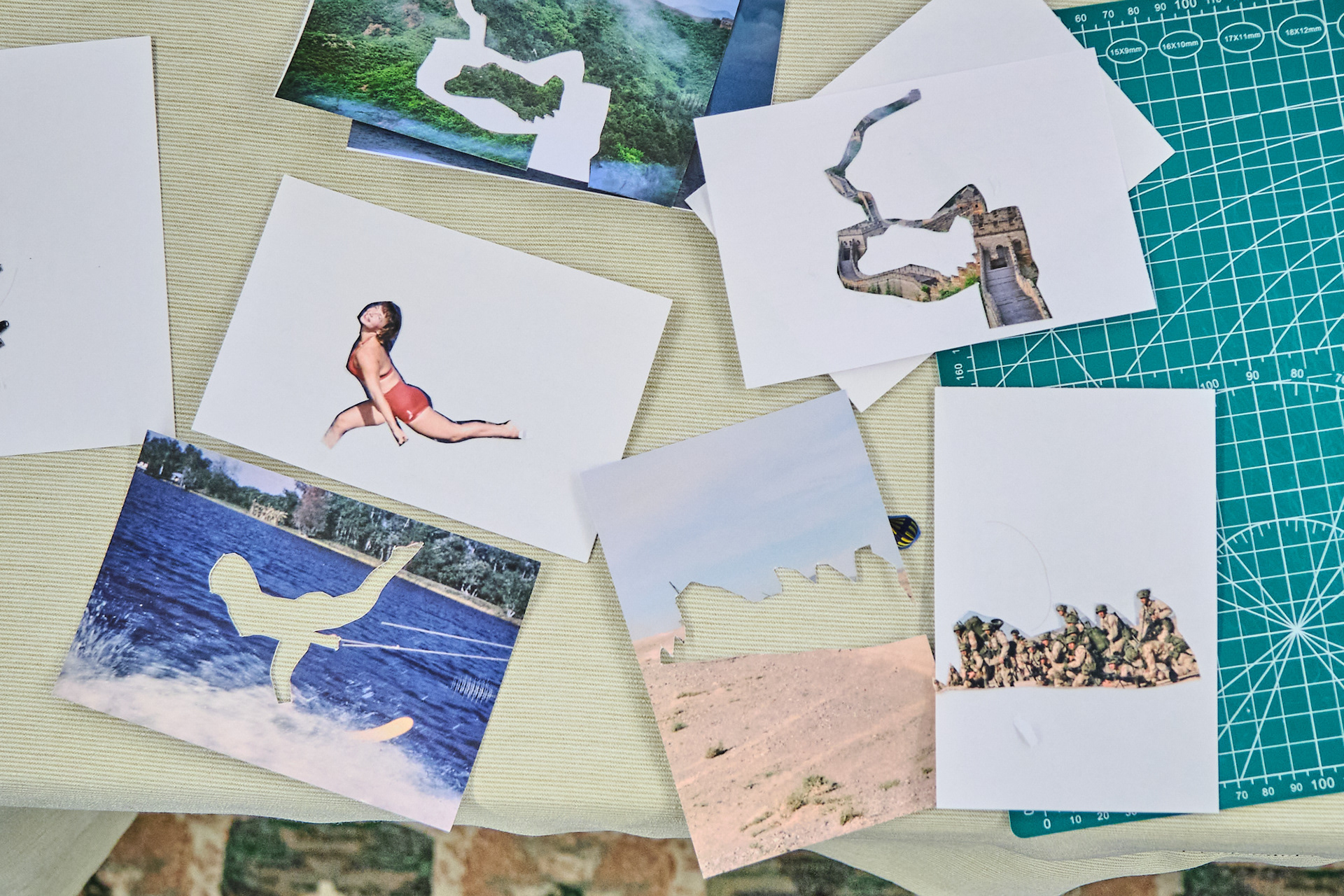
The work begins as a physical performance of "separation." Sitting in a gallery space with an X-Acto knife and hundreds of 4x6" photographs—sourced from public repositories like Flickr and Pexels, as well as my own personal archive I physically cut the human subjects out of their environments.
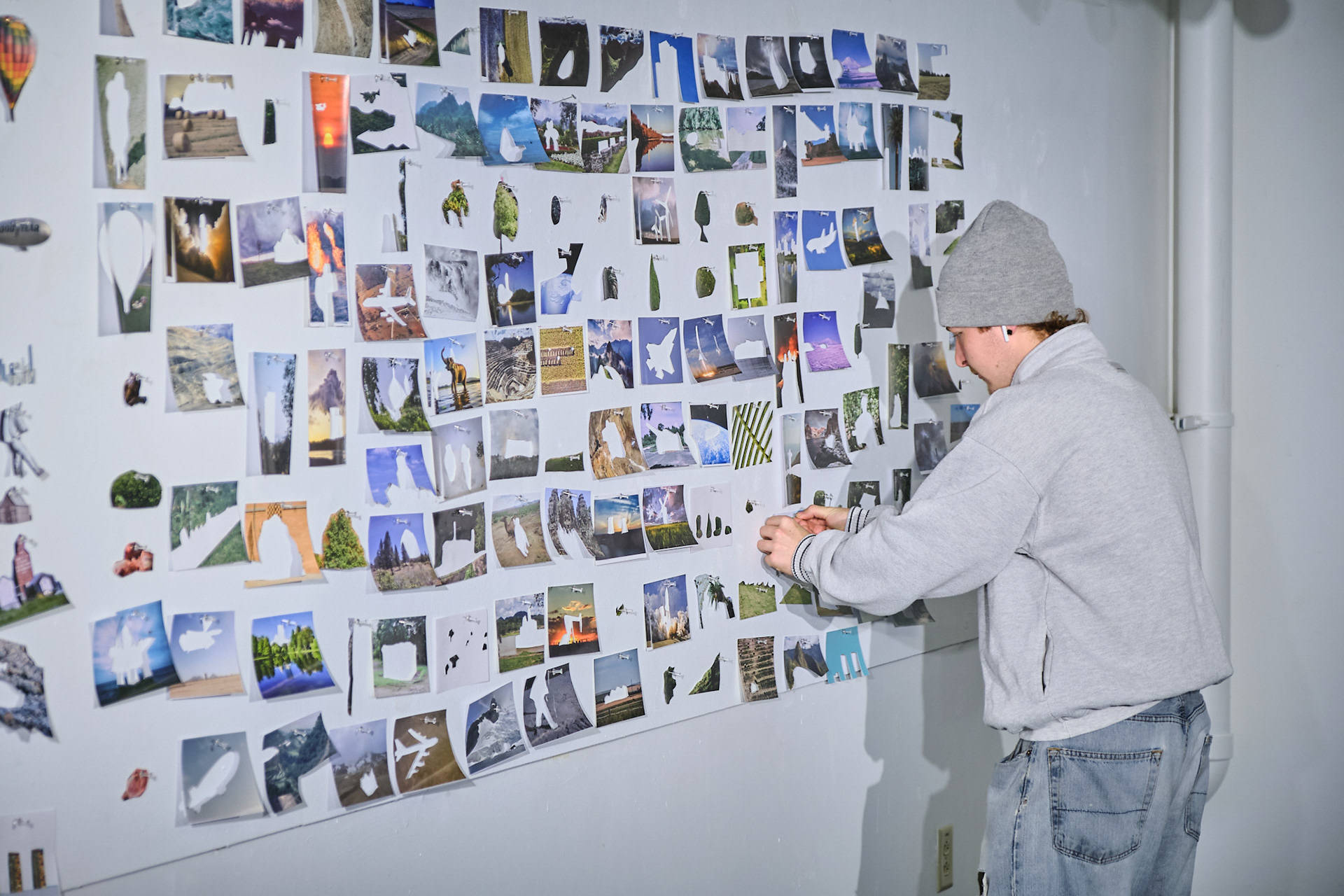
This is an act of "surgery" on the image. Over the course of several days, participants were invited to join me. Together, we sat and discussed the implications of what we are doing. By pinning the results on opposing walls—humans on one side, the "nature" they inhabited on the other—the gallery became a visual quantification of our alienation. What is one without the other? Which is visually more "broken": the forest with a human-shaped hole in it, or the human figure floating in a white void?
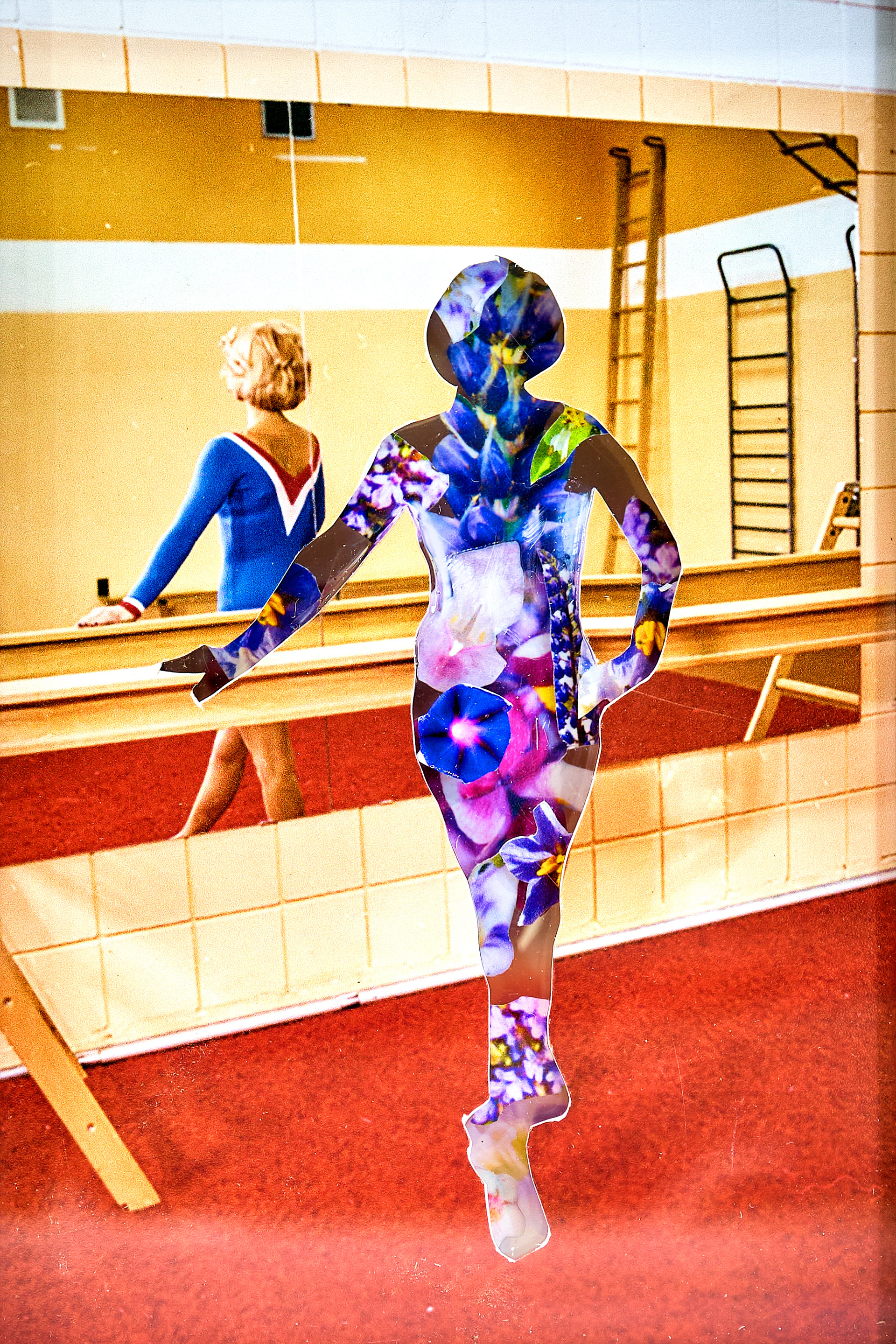
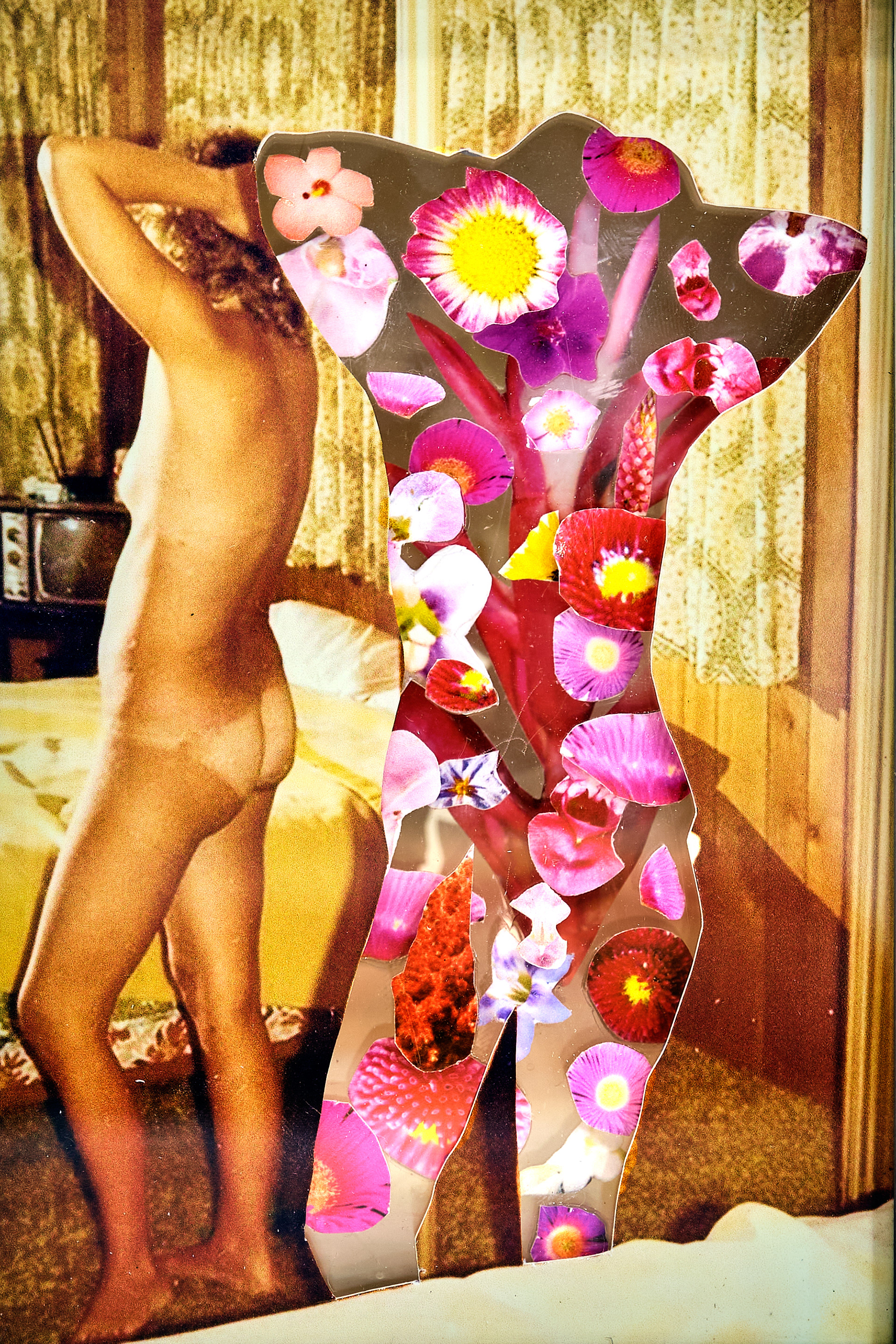
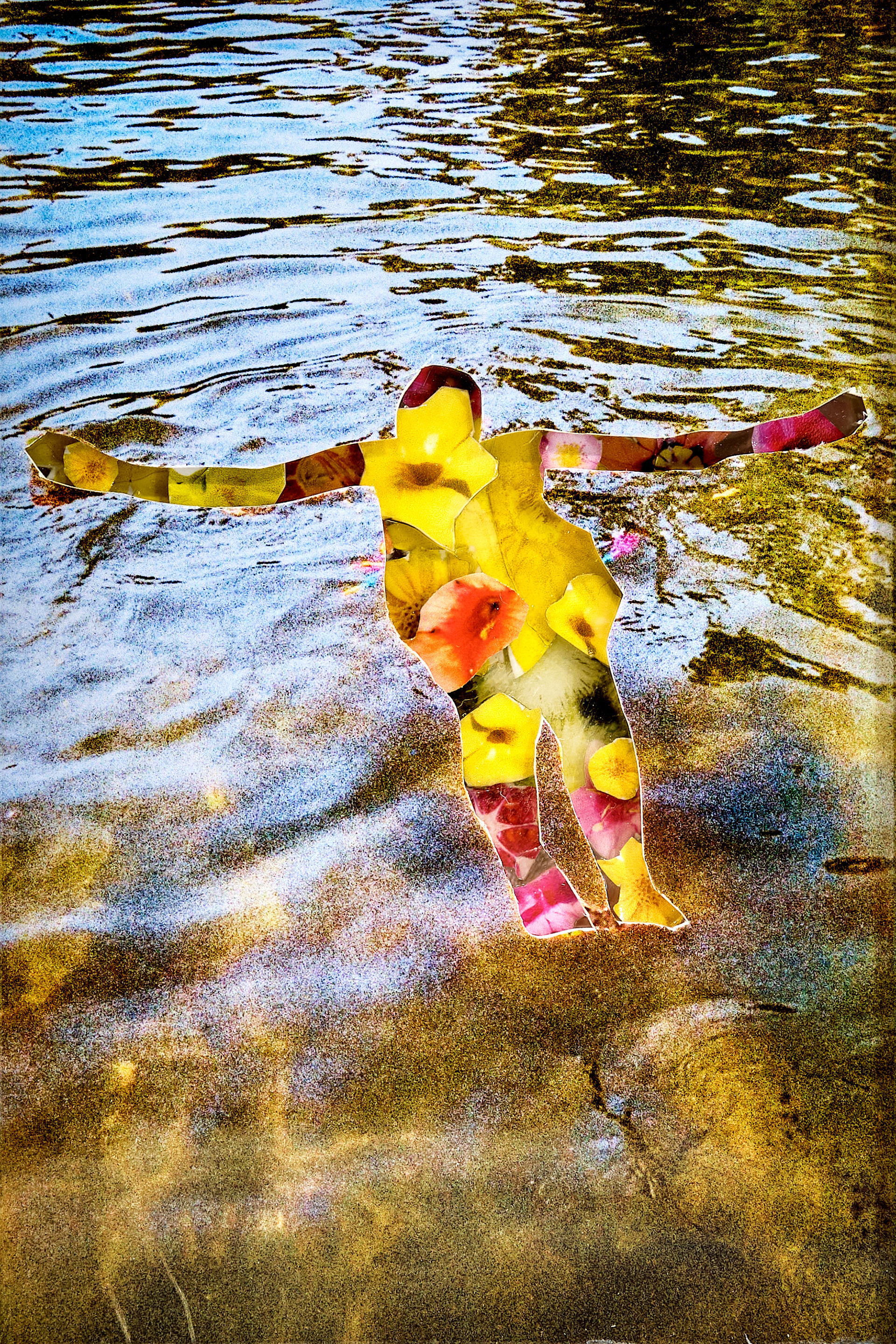
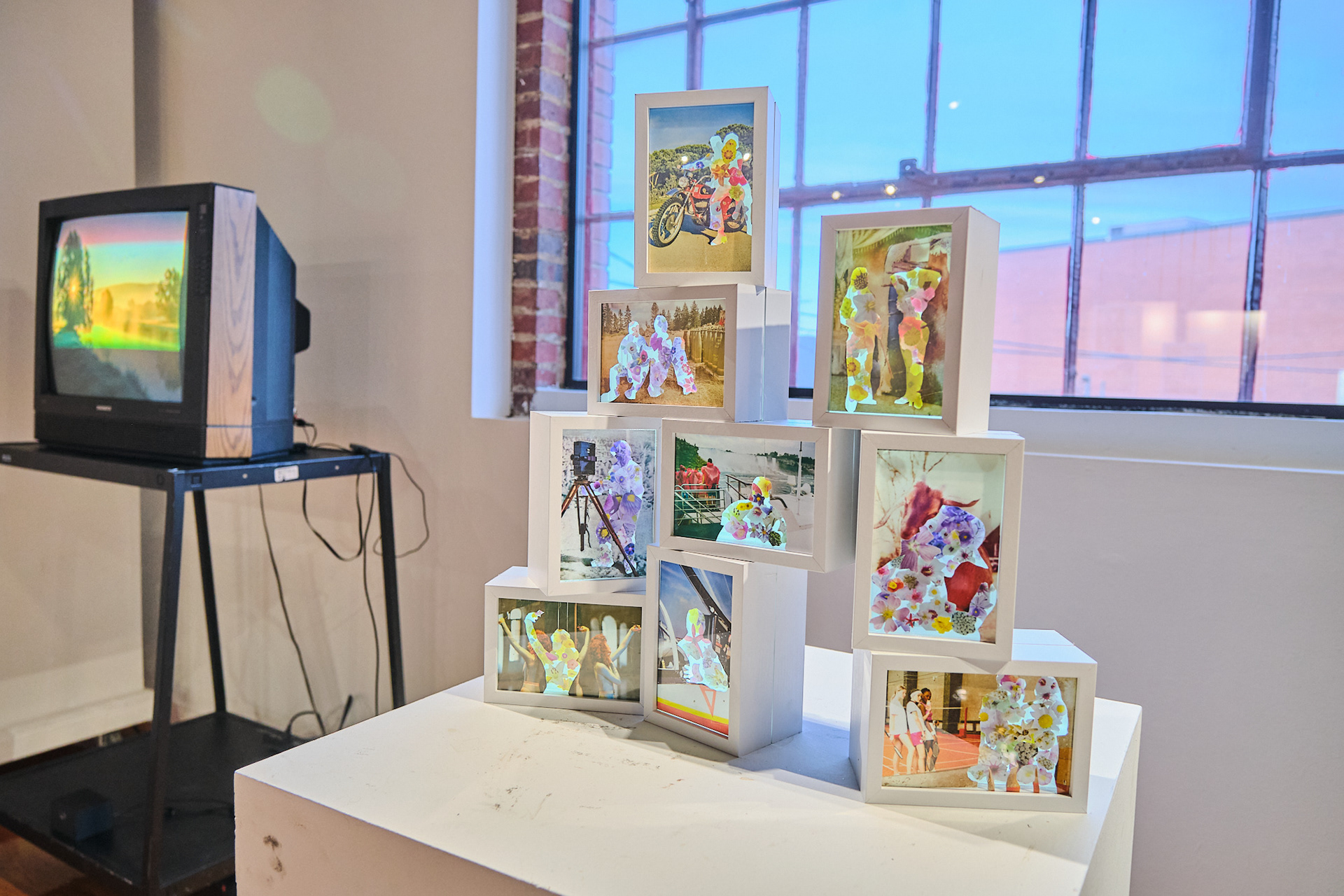
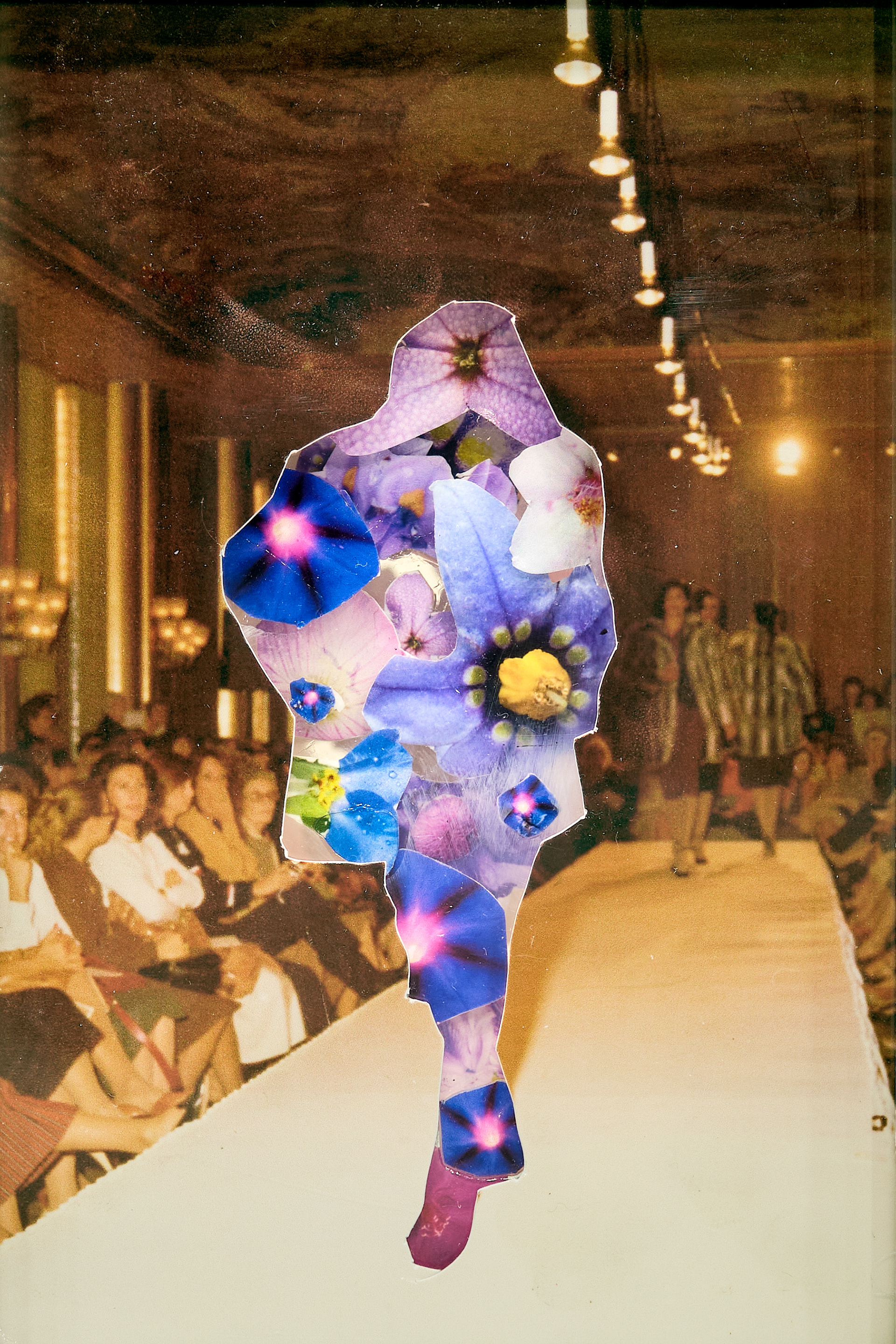
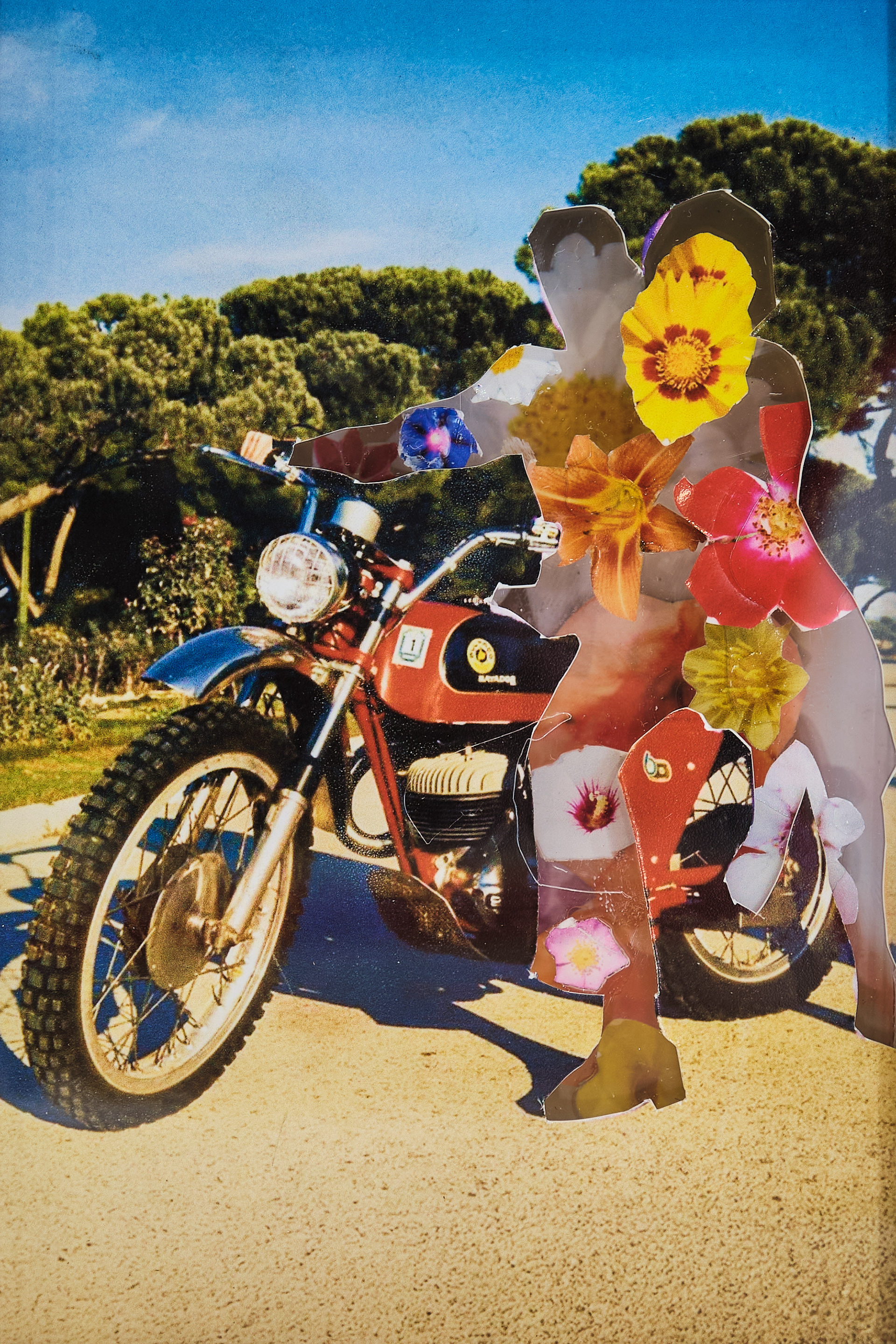
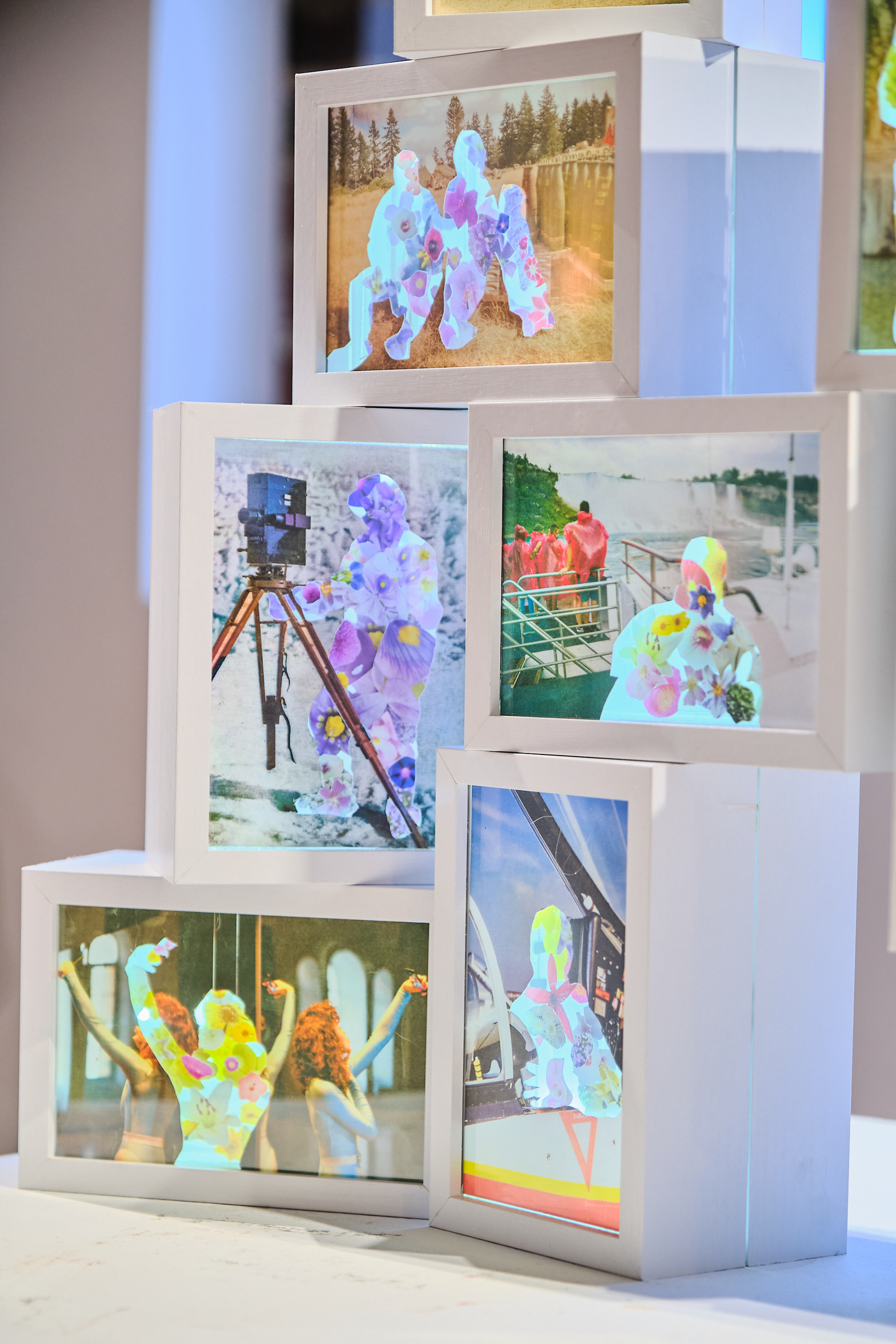
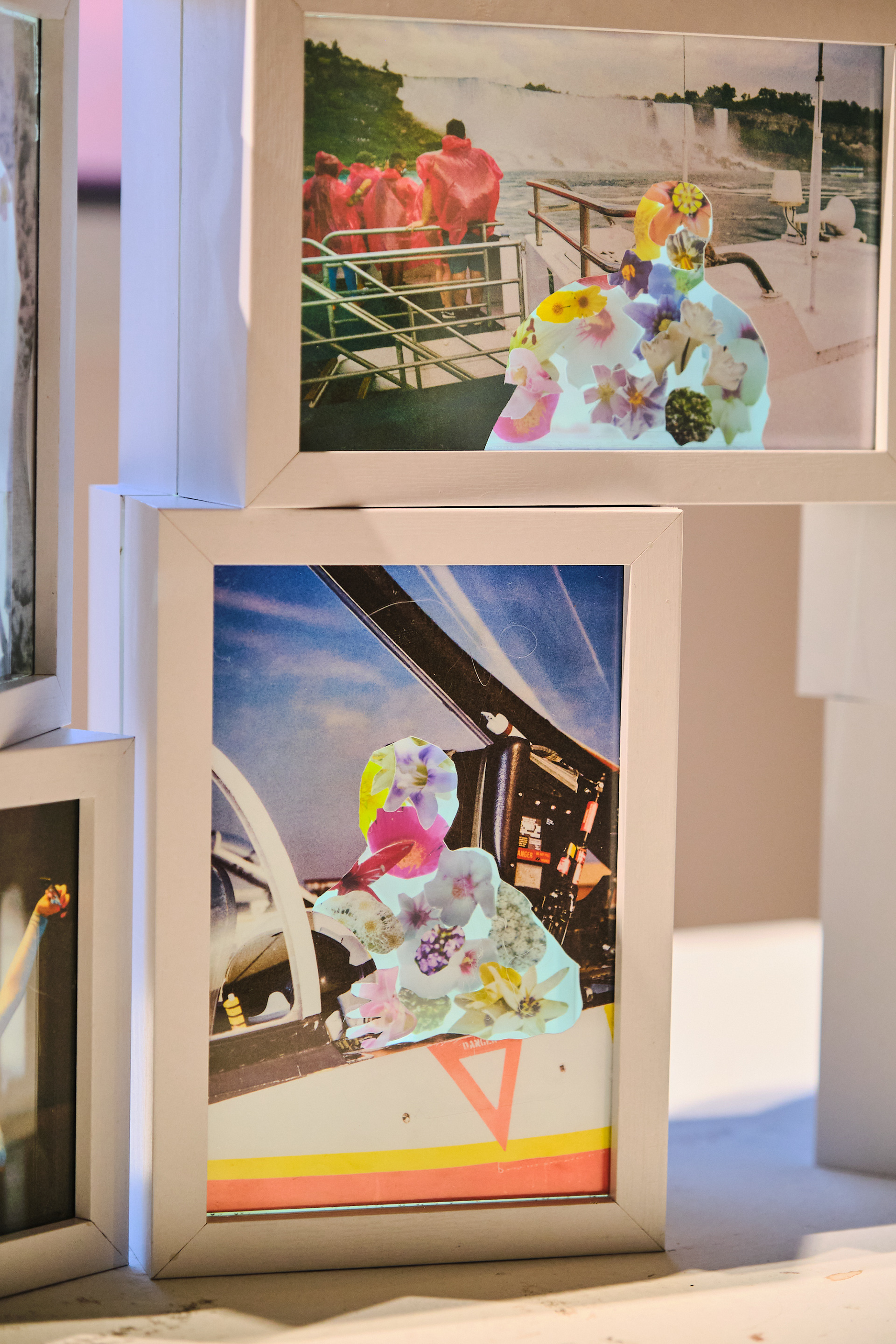
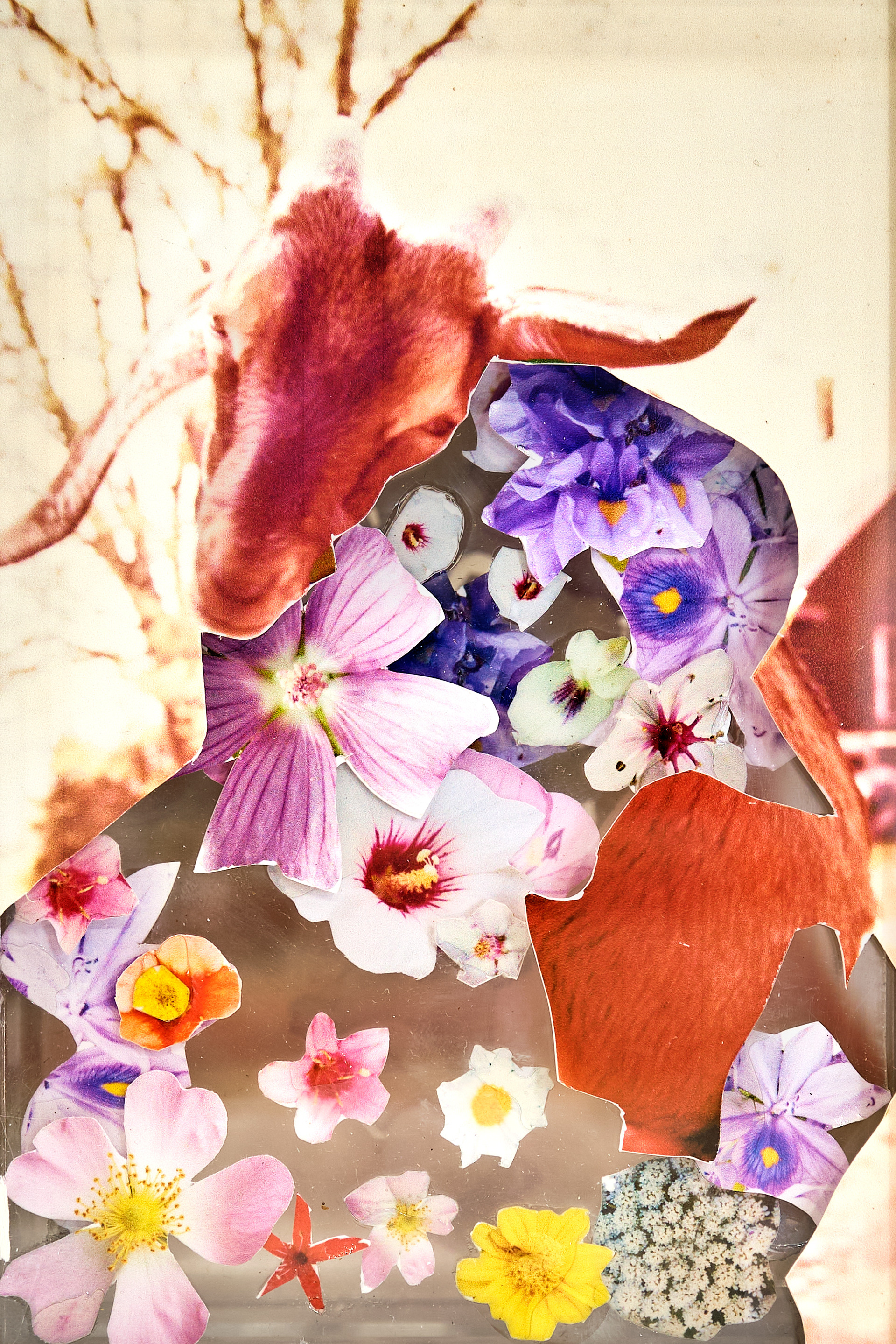
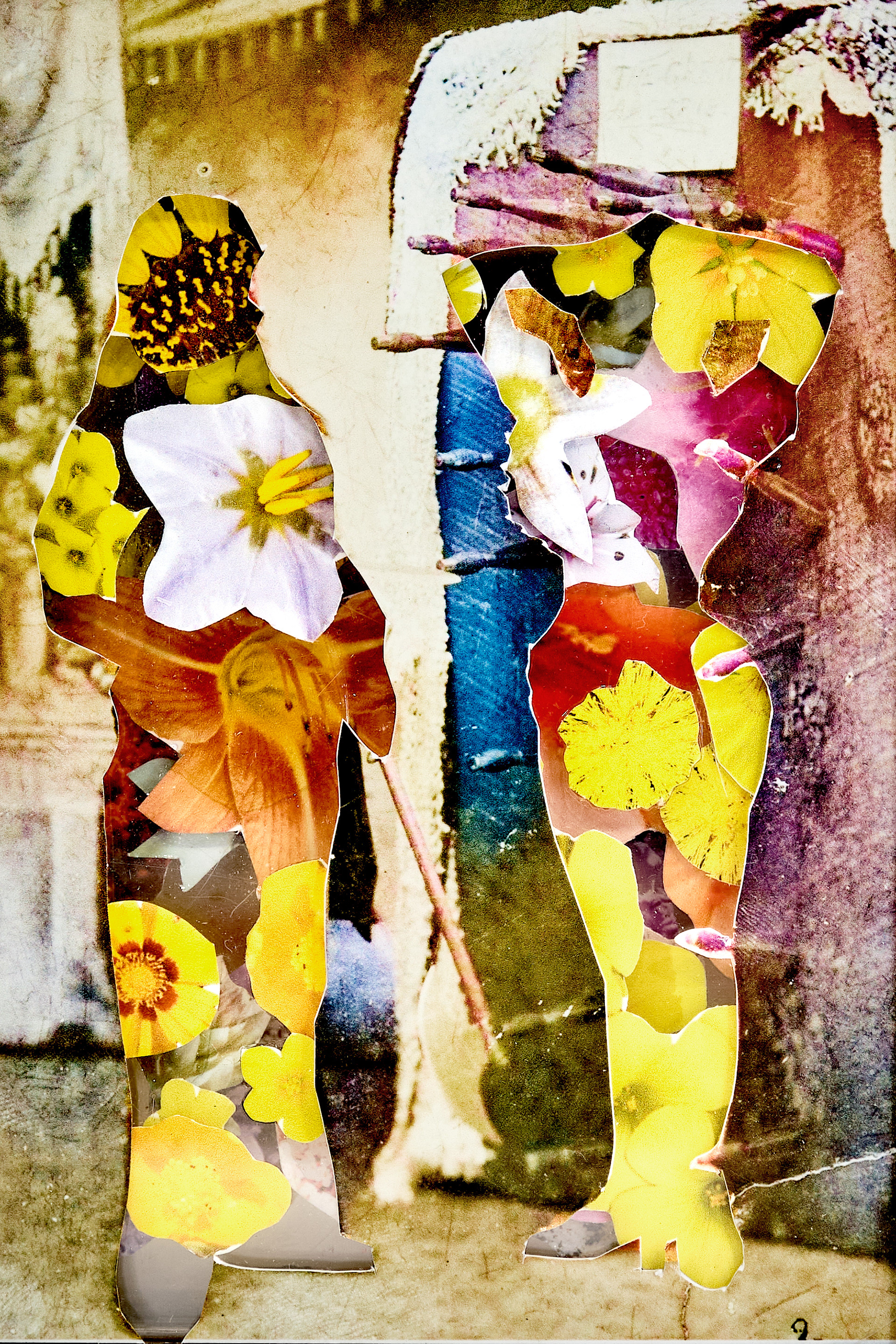
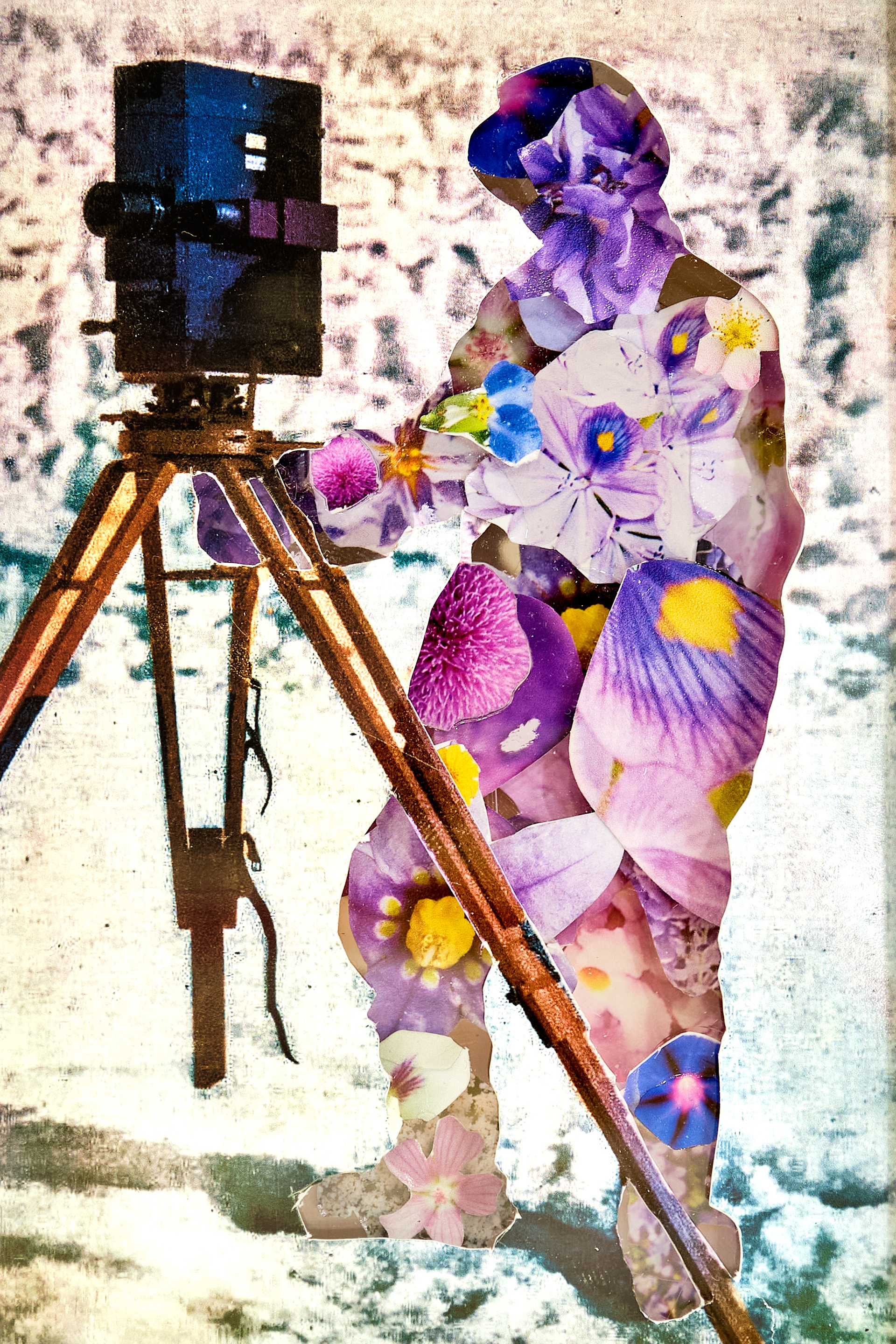
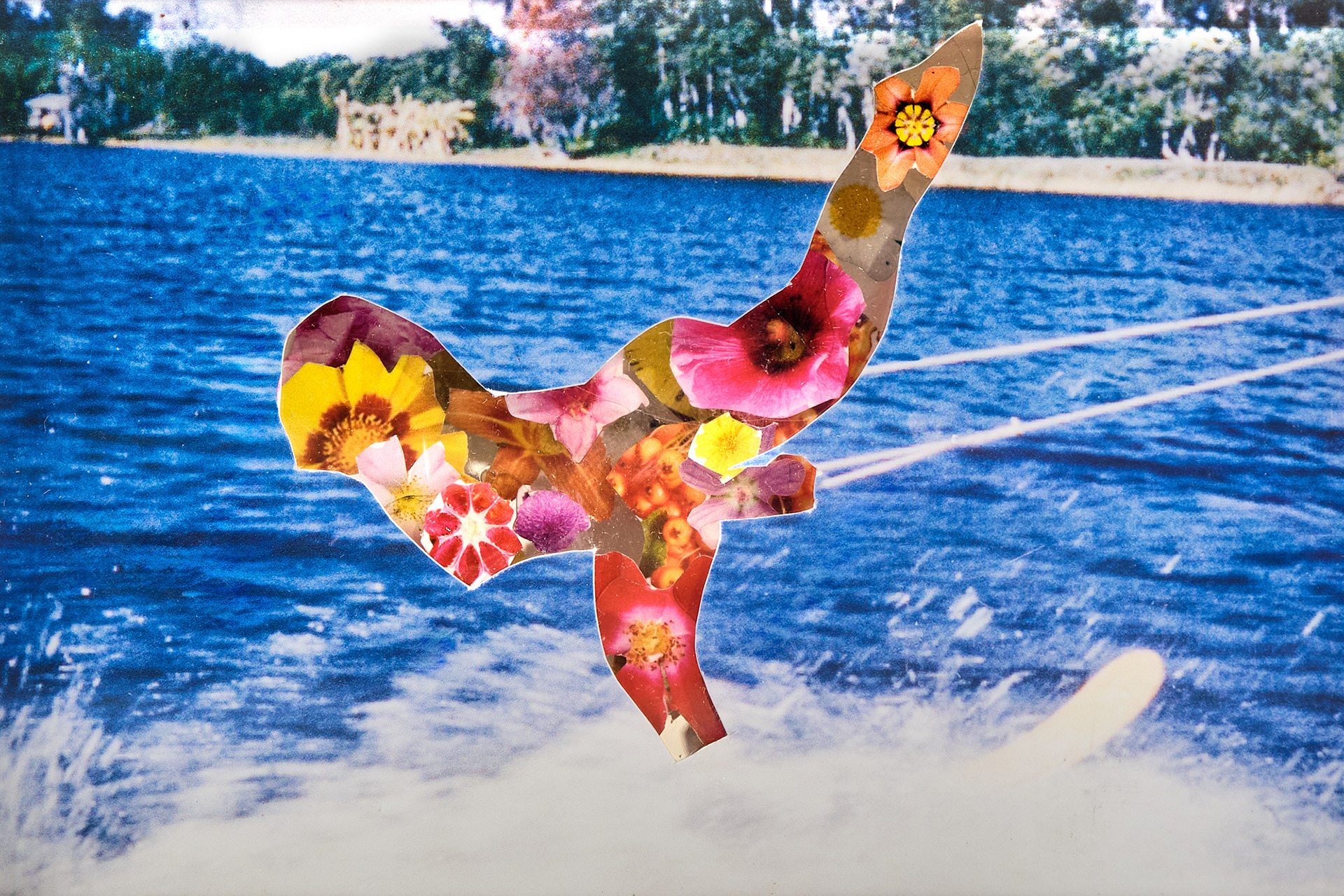
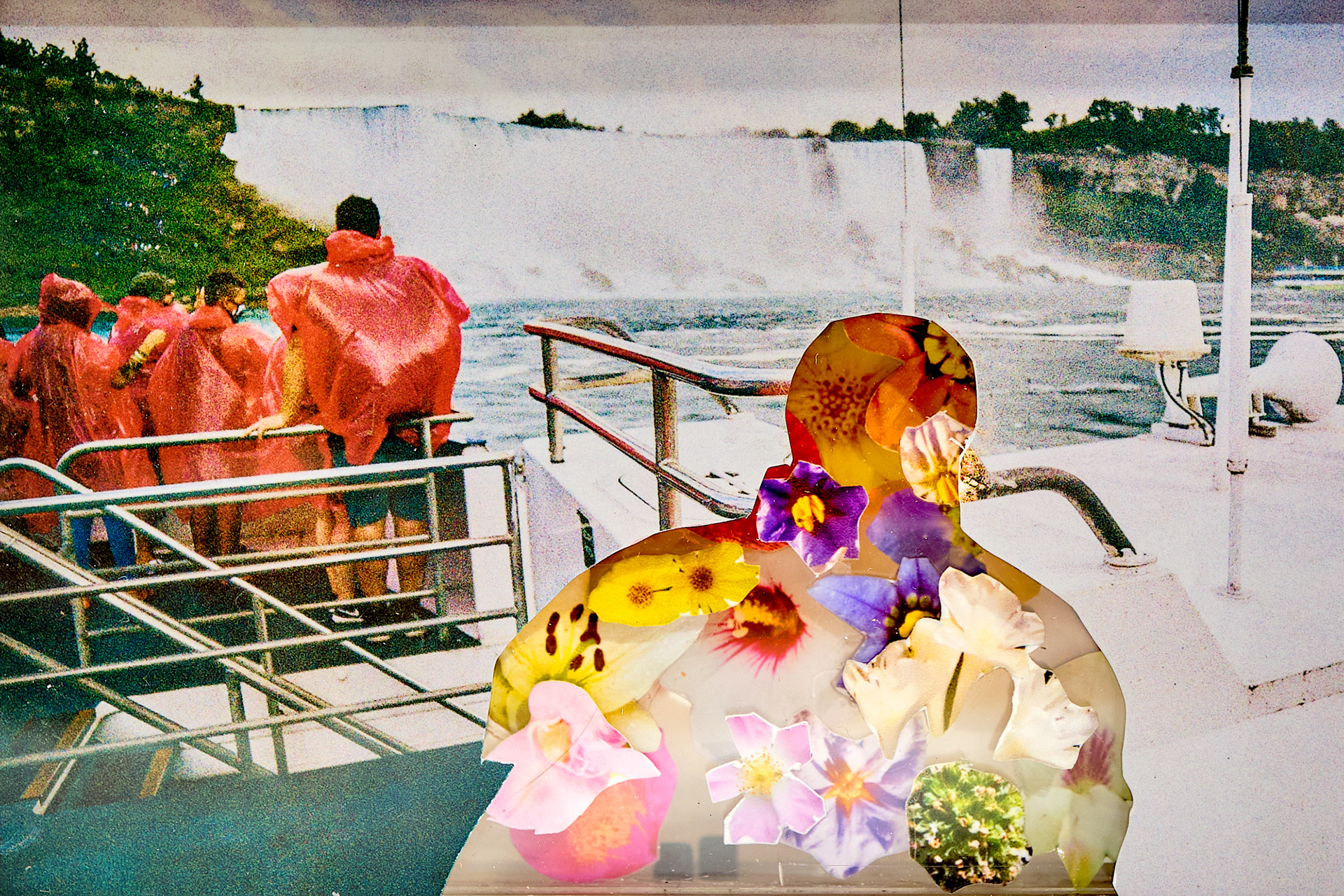
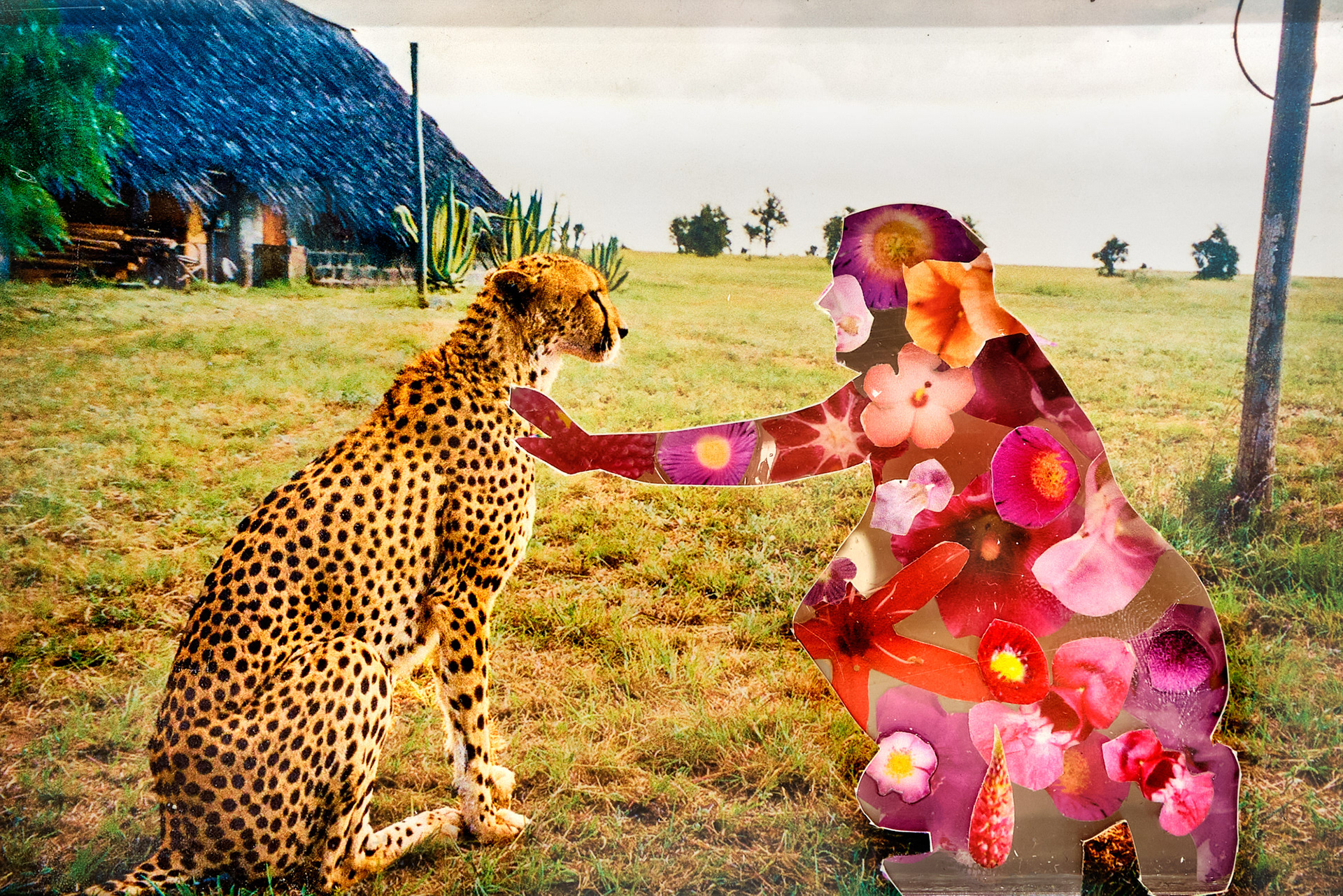
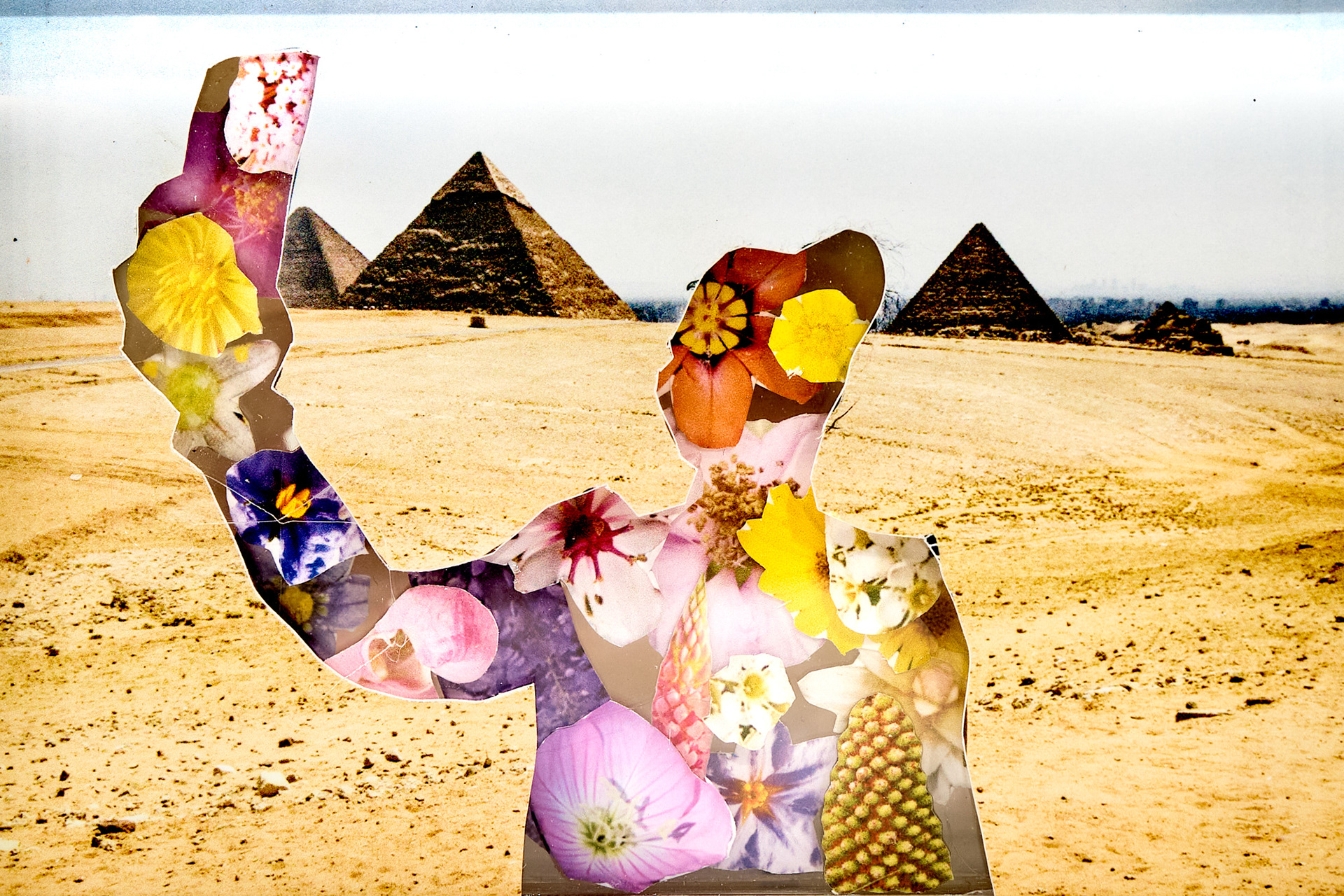
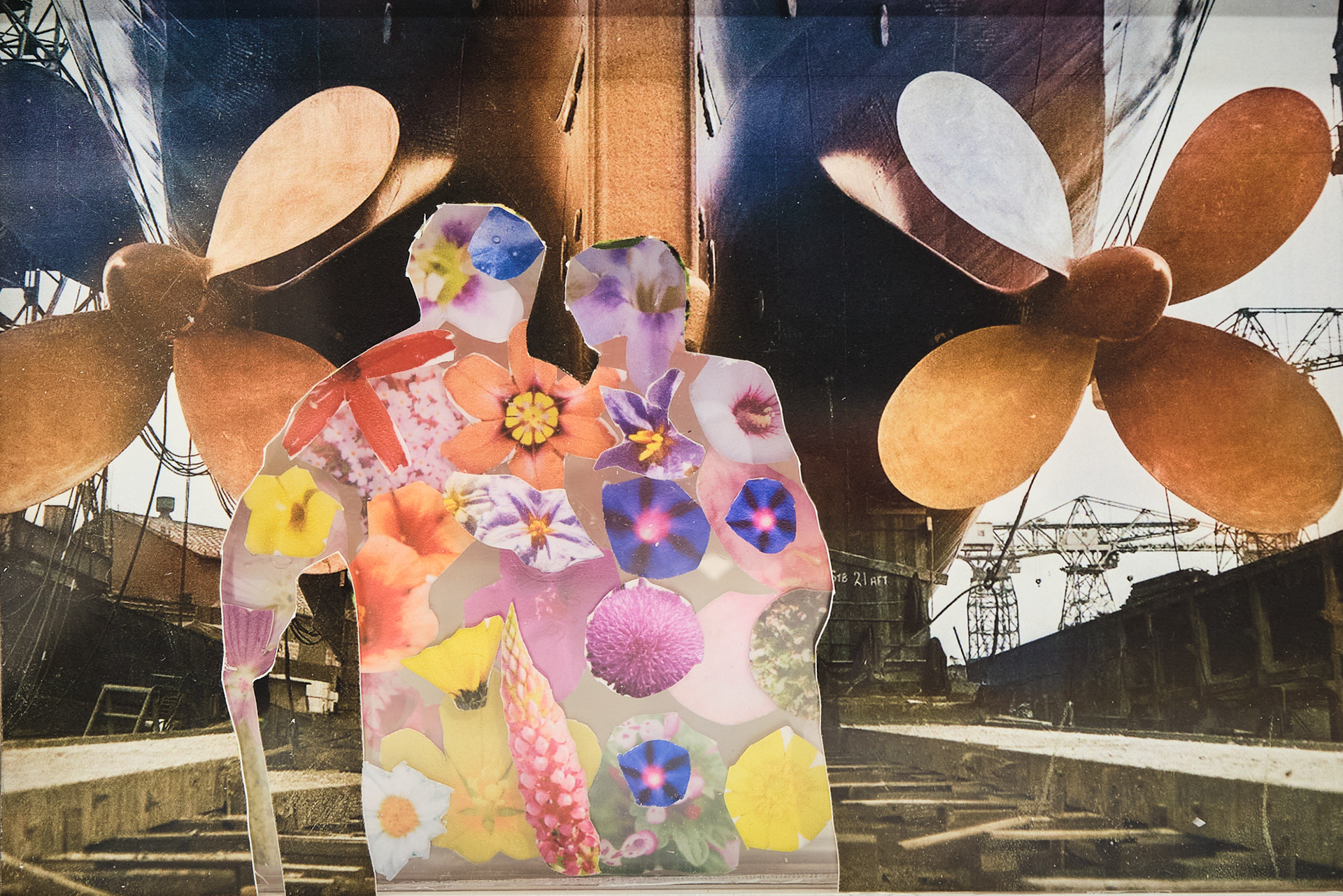
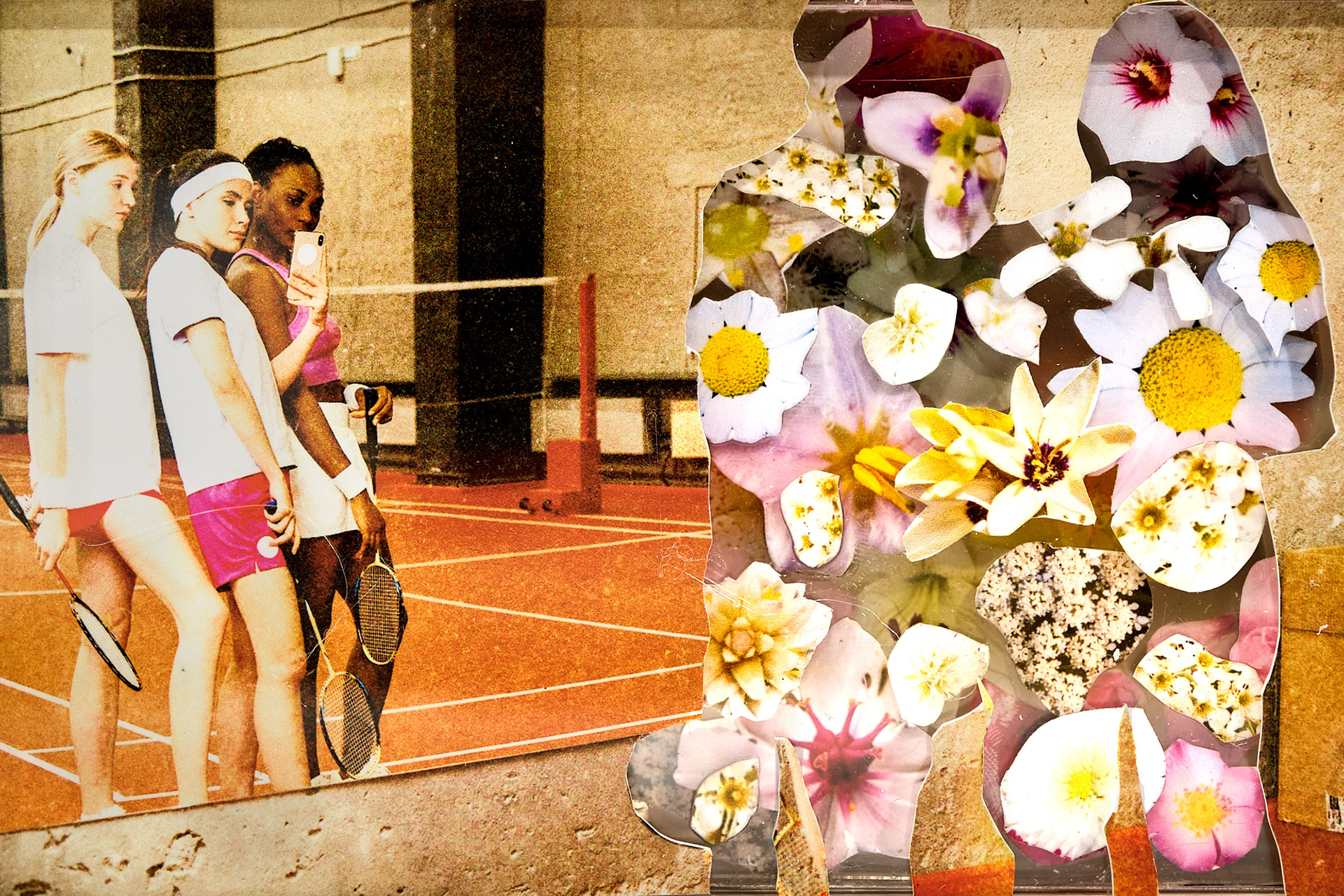
In the second phase, I took the hollowed-out human figures and placed them into plexiglass lightboxes. I specifically selected images that carry a heavy nostalgic weight—the kinds of photos chosen for a funeral wake or a family mantel: intimate portraits, career milestones, and moments of deep personal history.
However, the "nature" that once surrounded these people is gone. In its place, I have filled the empty silhouettes with cutouts of invasive plant flowers. These figures, now internally lit by LEDs, become glowing markers of loss and replacement.
The title "Invasive Species" is a provocation. By filling the human form with invasive flora, I am blurring the lines between what belongs and what is an intruder. Is the plant "invasive" for thriving in a human-altered landscape? Or are we the primary invasive species, restructuring the world to fit our own "utility" and then mourning the loss of the "wilderness" we fenced off?
These lightboxes represent the intersection of memory and ecology. When the human is removed—either through the passage of time or the act of a blade—something else always fills the void. By using invasive species to fill these intimate human outlines, I am highlighting how our impact on the earth remains even when we are no longer physically present.
Ultimately, the work is about how we categorize the world to make sense of our guilt. We create "wilderness areas" to preserve nature through isolation, and we design "urban landscaping" to force nature into utility. Invasive Species rejects both. It presents a world where our most precious memories are literally made of the "weeds" we try to eradicate, suggesting that we are—and always have been—inseparably tangled with the things we try to cut away.